food-drink
21 Spanish Drinks You Must Try: Traditional Beverages from Spain (2026)
This post may contain affiliate links, which means I earn a small commission, at no extra cost to you. It helps keep the blog alive, and we really appreciate your support!

These Spanish drinks should be on your Spain bucket list!
We've been drinking in Spain for years now, and each region has its own specialities.
From Asturian cider poured from a height to Valencian horchata served with sweet fartons, Spanish drinks are as diverse as the country itself.
This guide covers the traditional beverages you'll find across Spain: what they are, where they come from, what they cost, and which ones locals actually drink (hint: it's not sangria).
Time to experience Spain like a local. Salud!
Quick Guide: Spanish Drinks
Compare hotel prices in Málaga
Find the best deal across booking sites
Spanish Drinks at a Glance
| Drink | Type | Region | Price | Best For |
|---|---|---|---|---|
| Tinto de Verano | Wine cocktail | Andalusia | €2.50-4 | Summer refreshment |
| Sangria | Wine punch | Nationwide | €5-8/glass | Sharing with friends |
| Cava | Sparkling wine | Catalonia | €3-5/glass | Celebrations |
| Sherry | Fortified wine | Andalusia | €3-5 | Tapas pairing |
| Rebujito | Sherry cocktail | Andalusia | €3-5 | Feria season |
| Clara | Beer shandy | Nationwide | €2-3.50 | Hot days |
| Sidra | Cider | Asturias/Basque | €2.50-4 | Traditional experience |
| Café con Leche | Coffee | Nationwide | €1.50-2.50 | Breakfast |
| Horchata | Tiger nut milk | Valencia | €2-3.50 | Summer treat |
| Chocolate Caliente | Hot chocolate | Nationwide | €2.50-4 | Winter mornings |
Wine-Based Spanish Drinks
Tinto de Verano
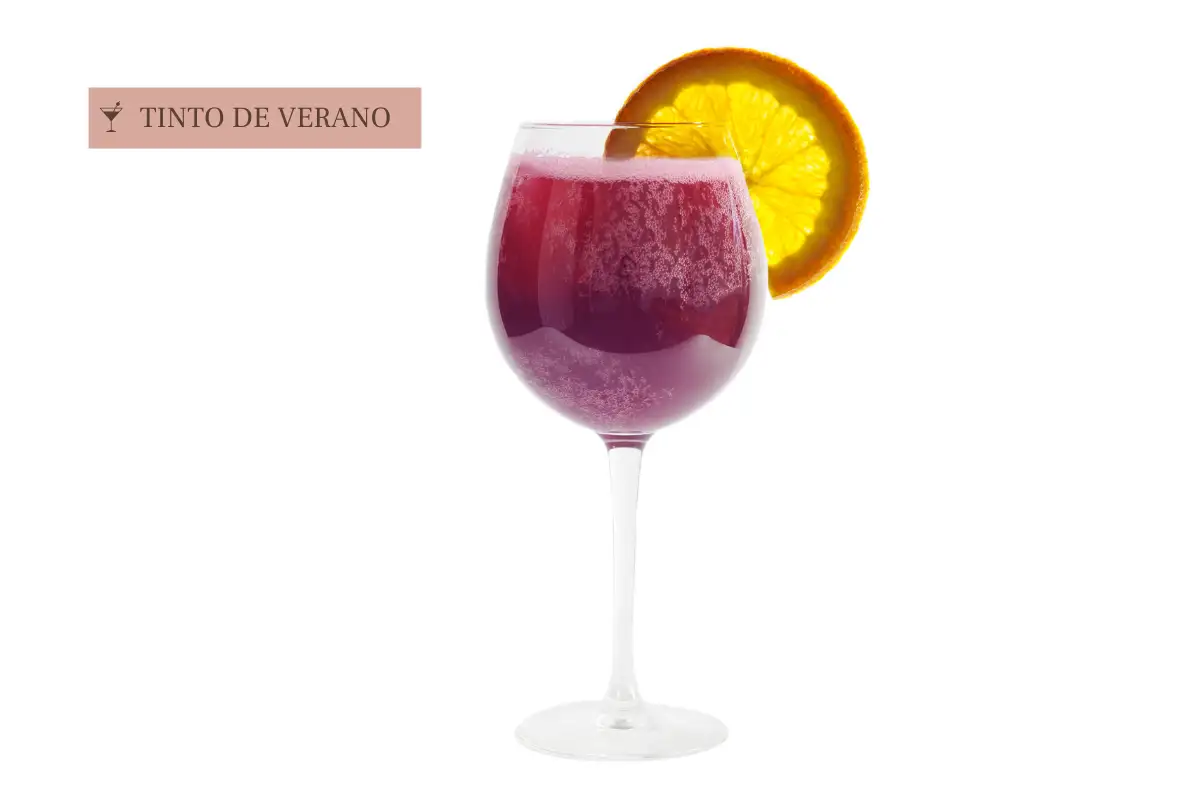
Tinto de verano ("summer wine") is what locals actually drink when tourists are ordering sangria. A simple mix of red wine and sparkling lemon soda (usually Casera or Fanta Limón), served over ice with a slice of lemon.
It originated in Córdoba, Andalusia, in the 1920s and remains the go-to summer drink across southern Spain. Unlike sangria, it's quick to make, cheaper, and you'll find it at every chiringuito (beach bar) and tapas spot.
My go-to summer drink
Tinto de verano is light, refreshing, and costs half the price of sangria. Order it at any terrace bar and you'll blend in with the locals.
Ask for it 'con limón' (with lemon soda) or 'con casera' (with soda water) depending on how sweet you want it.
Price: €2.50-4.00 | Where: Everywhere, especially Andalusia | Best for: Hot summer days
Sangria
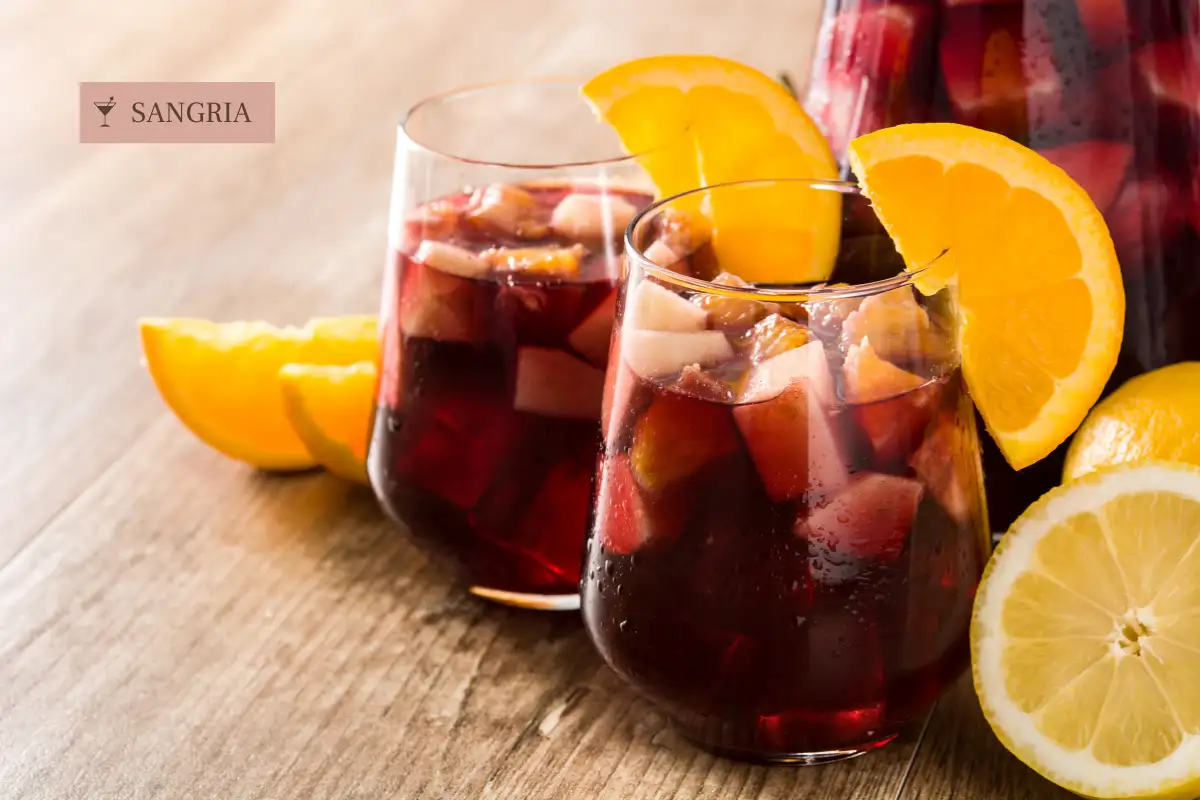
Sangria is Spain's most famous drink internationally, though locals rarely order it. Made with red wine, chopped fruit (oranges, lemons, apples), a splash of brandy, and sometimes triple sec or orange juice.
The name comes from "sangre" (blood), referring to its deep red colour. It's traditionally served in a large pitcher to share and is best enjoyed cold on a hot day.
Tip:
Sangria is considered a tourist drink in most of Spain. If you want to drink like a local, order tinto de verano instead. But if you're at a big group dinner and want something festive, sangria is still a perfectly good choice.
Price: €5-8/glass, €15-20/pitcher | Where: Tourist areas, restaurants | Best for: Sharing with a group
Cava
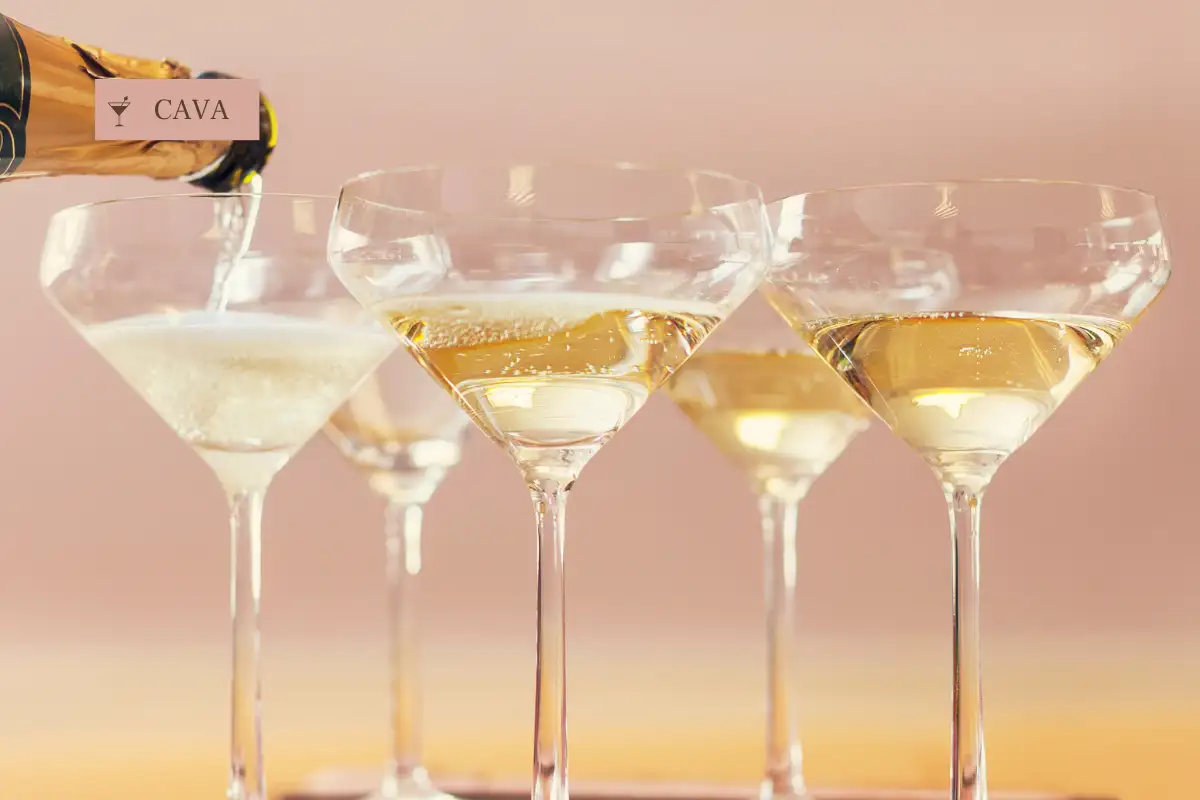
Cava is Spain's answer to Champagne, made using the same traditional method (méthode champenoise) but with local grape varieties: Macabeo, Xarel·lo, and Parellada.
Most cava comes from the Penedès region in Catalonia, near Barcelona.
By law, it must be aged for at least nine months. The result is a crisp, refreshing sparkling wine at a fraction of Champagne prices.
Look for these quality levels:
- Cava: aged 9+ months
- Cava Reserva: aged 15+ months
- Cava Gran Reserva: aged 30+ months
Price: €3-5/glass, €6-20/bottle | Where: Catalonia, nationwide | Best for: Celebrations, brunch
Sherry (Jerez)
Spain's most famous fortified wine comes from the "Sherry Triangle" in Andalusia: Jerez de la Frontera, Sanlúcar de Barrameda, and El Puerto de Santa María. The name "sherry" is the English pronunciation of Jerez.
Sherry comes in several styles:
- Fino: dry, pale, served chilled with seafood tapas
- Manzanilla: light fino from Sanlúcar, salty tang
- Amontillado: amber, nutty, medium-dry
- Oloroso: dark, rich, full-bodied
- Pedro Ximénez (PX): intensely sweet, syrupy, served over ice cream
Local tip
In Andalusia, order a copa de fino with your tapas. It's the traditional pairing and sommeliers consider it one of the most underrated wines in the world.
Price: €3-5/glass | Where: Andalusia (best in Jerez) | Best for: Tapas pairing
Rebujito
Rebujito is a refreshing cocktail of fino sherry mixed with lemon-lime soda (usually Sprite or 7UP), fresh mint, and ice. It originated at the Feria de Abril in Seville and is now the official drink of Andalusian ferias.
During feria season, you'll see entire casetas (festival tents) serving nothing but rebujito in plastic cups. It's light, easy to drink, and dangerously drinkable in the Andalusian heat.
Price: €3-5 | Where: Andalusia, especially during ferias | Best for: Feria de Sevilla, hot weather
Kalimotxo
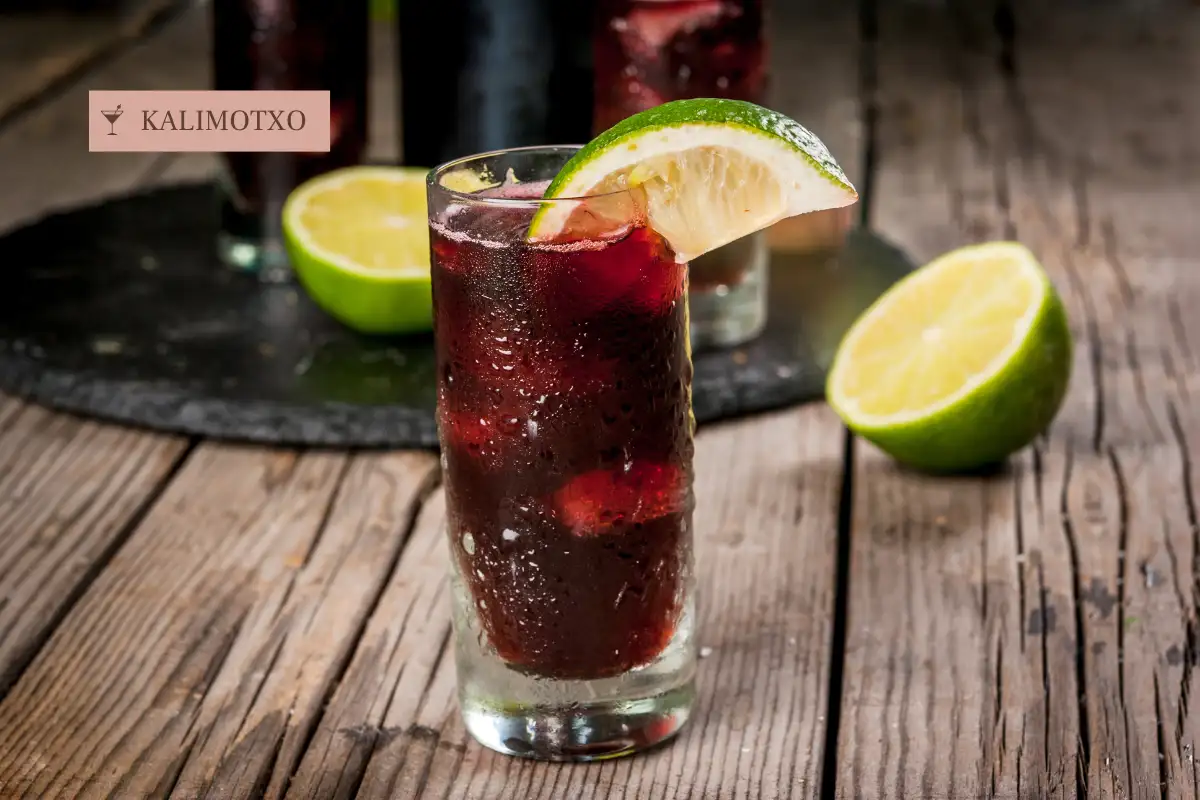
Kalimotxo (pronounced ka-lee-MO-cho) is the Basque Country's contribution to Spanish drinking culture: equal parts cheap red wine and Coca-Cola, served over ice.
It sounds terrible, but it works.
The cola softens the tannins of rough wine, creating something surprisingly drinkable. It originated in the 1970s at a festival in Getxo when the wine went bad and someone had the idea to mix it with cola to mask the taste.
Price: €2.50-4.00 | Where: Basque Country, nationwide | Best for: Parties, botellón (outdoor drinking)
Vermut (Vermouth)
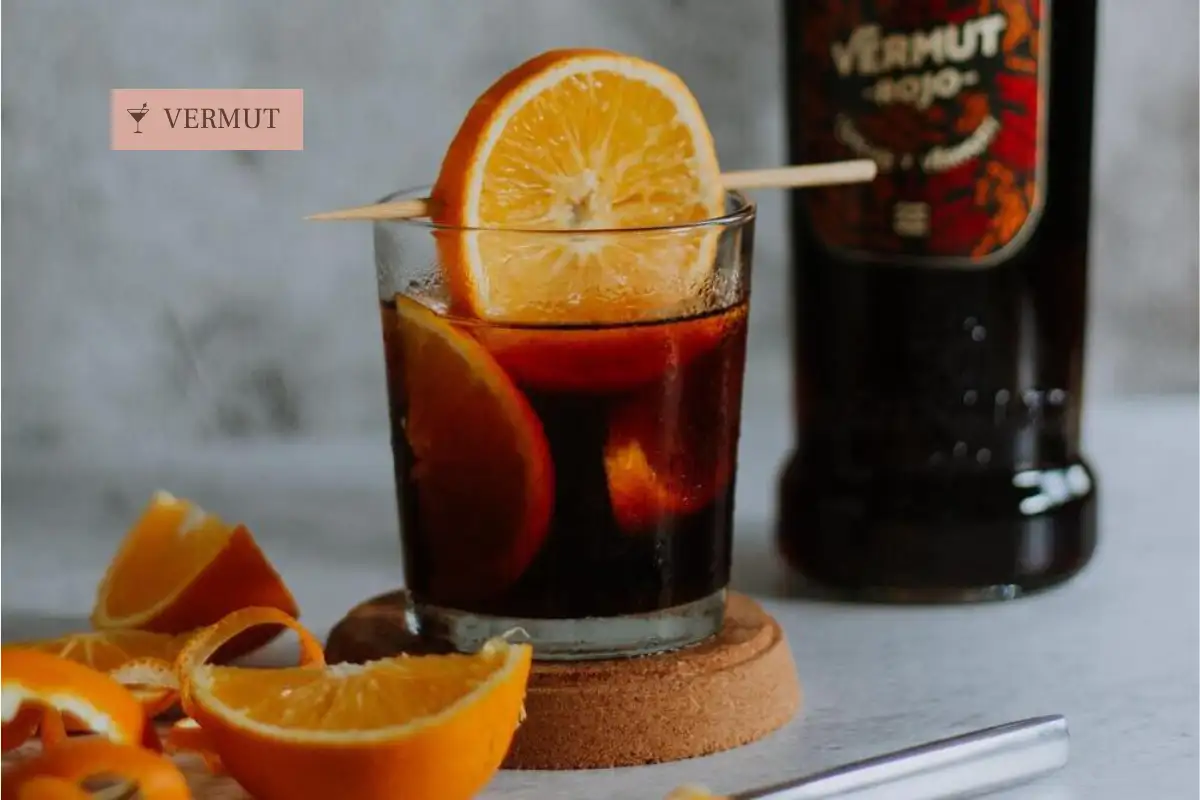
Vermut has made a major comeback in Spain. This fortified wine infused with herbs, spices, and botanicals was once considered an old man's drink, but vermut bars (vermuterías) have popped up across Barcelona and Madrid.
The Spanish tradition is "la hora del vermut" (vermouth hour), typically around noon on Sundays before lunch. It's served in a small glass with ice, a slice of orange, and an olive, alongside some olives or chips.
Price: €2.50-4.00 | Where: Catalonia, Madrid | Best for: Pre-lunch aperitivo
Agua de Valencia
Agua de Valencia was invented in 1959 by Constante Gil at the Café Madrid in Valencia. The recipe: fresh Valencia orange juice, cava (or champagne), vodka, and gin.
It's served in a large pitcher to share and is stronger than it looks. The sweetness of the orange juice masks the alcohol content, so pace yourself.
Price: €15-25/pitcher | Where: Valencia | Best for: Group celebrations
Beer-Based Spanish Drinks
Caña
A caña is a small glass of draught beer, typically around 200ml. It's the most common way to order beer in Spain, especially in the south, because it stays cold in the heat.
In the Basque Country, ask for a zurito (even smaller).
In Catalonia, a quinto or canya. Each region has its own term.
Price: €1.50-2.50 | Where: Everywhere | Best for: Tapas hopping
Clara
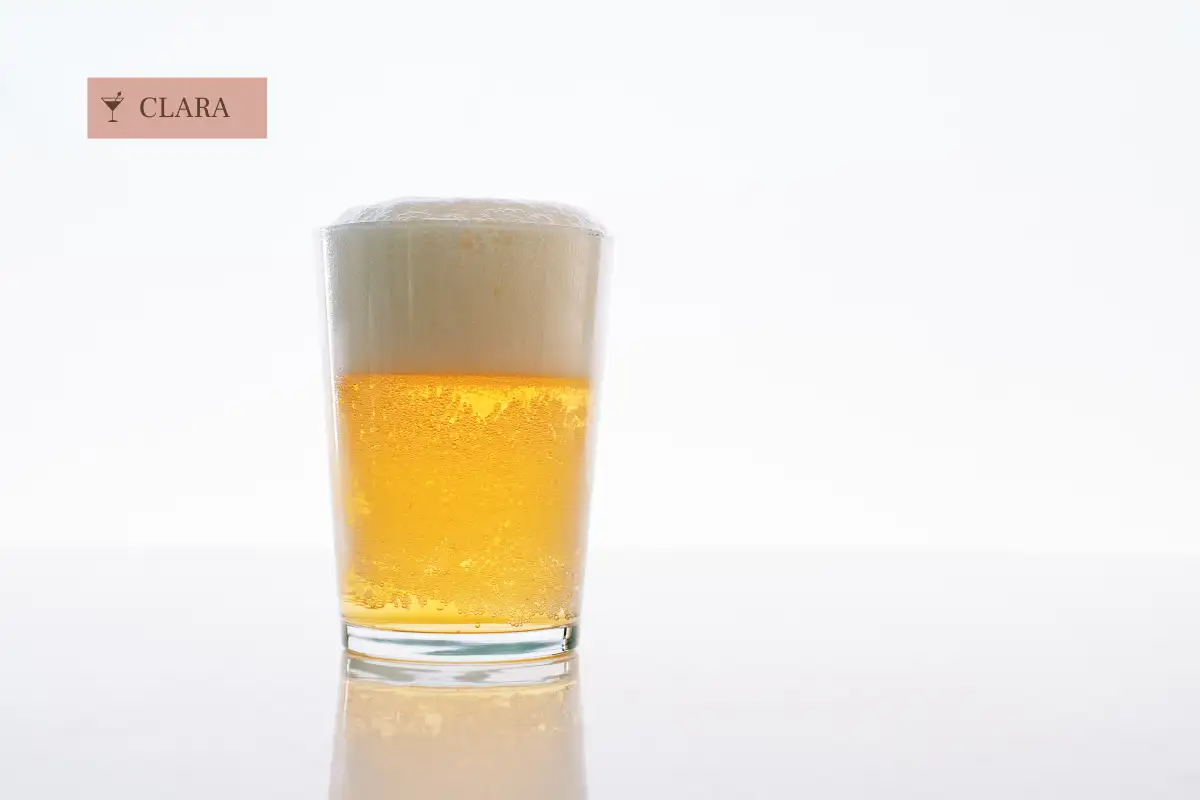
Clara is Spain's version of a shandy: beer mixed with lemon soda (clara con limón) or sparkling water (clara con casera). It's lighter than a full beer and perfect for hot afternoons when you want something refreshing but not too strong.
Price: €2.00-3.50 | Where: Everywhere, especially beach bars | Best for: Hot summer days
Spirits & Liqueurs
Licor de Hierbas
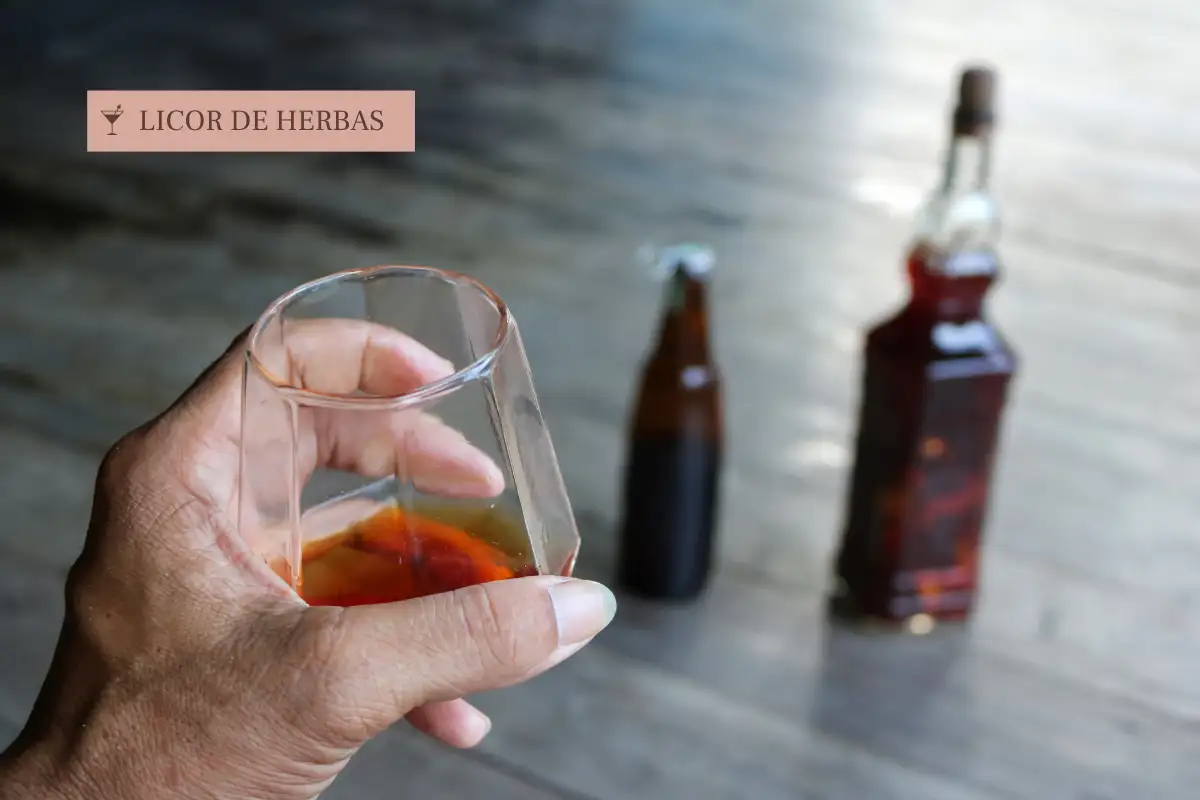
Licor de Hierbas (herbal liqueur) is a digestif made by infusing spirits with local herbs. The Galician version uses orujo (grape pomace spirit) as a base and includes herbs like chamomile, mint, and lemon verbena.
It's served after meals to aid digestion. Similar to Italian amaro or German Jägermeister, but with its own Spanish character.
Price: €2.50-4.00/shot, €10-20/bottle | Where: Galicia, nationwide | Best for: After dinner
Orujo
Orujo is a Galician spirit distilled from grape pomace (the skins, seeds, and stems left after winemaking). It's similar to Italian grappa and typically around 40% ABV.
The clear version (orujo blanco) is the most common, but you'll also find it infused with herbs (orujo de hierbas) or coffee (licor café).
Price: €2-3/shot | Where: Galicia | Best for: After dinner, cold nights
Queimada
Queimada is Galicia's "fire drink," a theatrical ritual as much as a beverage. Orujo is mixed with sugar, lemon peel, and coffee beans in a clay pot, then set on fire while an incantation is recited to ward off evil spirits.
The Celtic-influenced tradition is performed at festivals and family gatherings, especially around Halloween (Samaín in Galicia). The drink itself is sweet, strong, and warming.
Price: €5-10/serving | Where: Galicia | Best for: Cultural experience
Ratafia
Ratafia is a Catalan liqueur made by macerating green walnuts, herbs, and spices in grape spirit. It's sweet, aromatic, and typically around 25-30% ABV.
Traditionally made in summer when walnuts are still green, ratafia is served as a digestif, often over ice.
Price: €3-5/glass | Where: Catalonia | Best for: After dinner
Coffee in Spain
Café con Leche
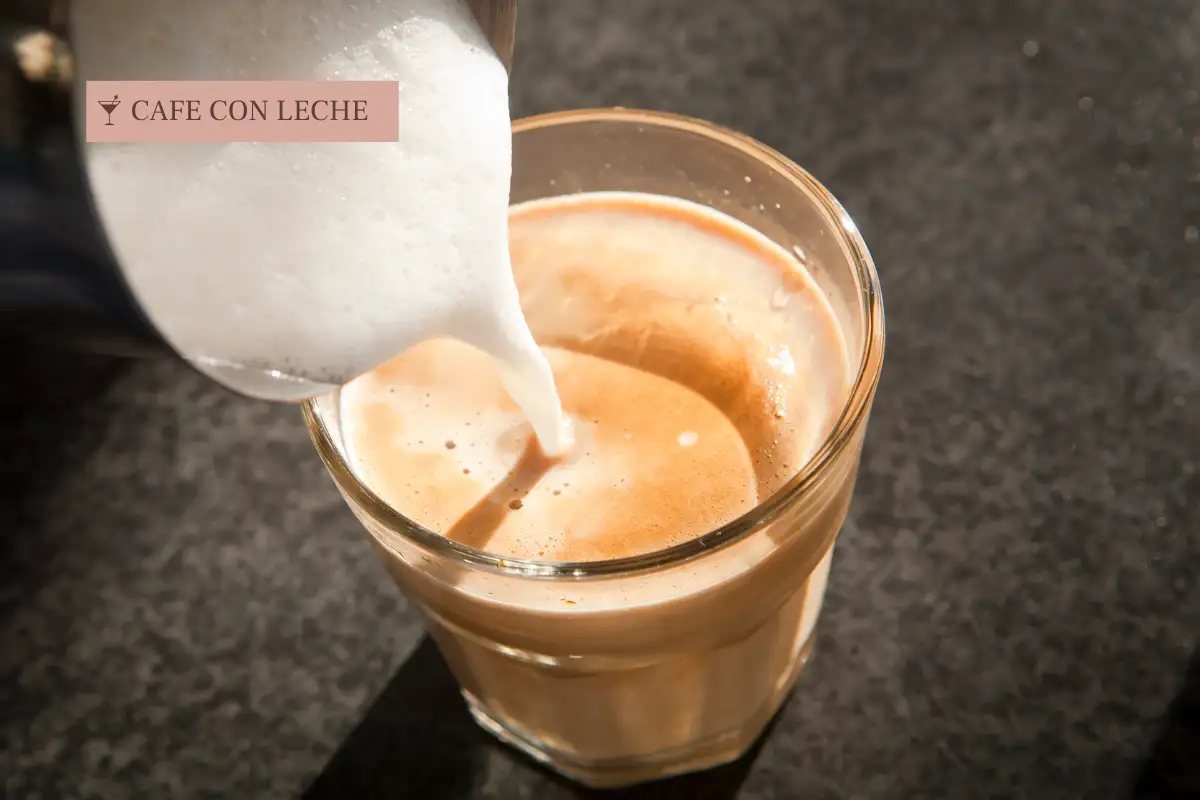
Café con leche is the Spanish breakfast staple: espresso with an equal amount of hot milk, usually served in a glass (vaso) rather than a cup.
The glass-without-a-handle takes some getting used to (it's hot!), but it's become part of the charm. Pair it with tostada con tomate (toast with tomato) for a proper Spanish breakfast.
Other coffee options:
- Café solo: espresso, no milk
- Cortado: espresso with a dash of milk
- Café americano: espresso with hot water
- Café con hielo: espresso served with a separate glass of ice (pour it over yourself)
Price: €1.50-2.50 | Where: Everywhere | Best for: Breakfast
Carajillo
Carajillo is espresso spiked with brandy or rum, sometimes flambéed. The Catalan version uses Licor 43 (a vanilla liqueur) and is served over ice as a "carajillo con Licor 43."
Legend says the name comes from soldiers needing "coraje" (courage) before battle.
Price: €3-5 | Where: Nationwide | Best for: After dinner
Non-Alcoholic Spanish Drinks
Horchata de Chufa
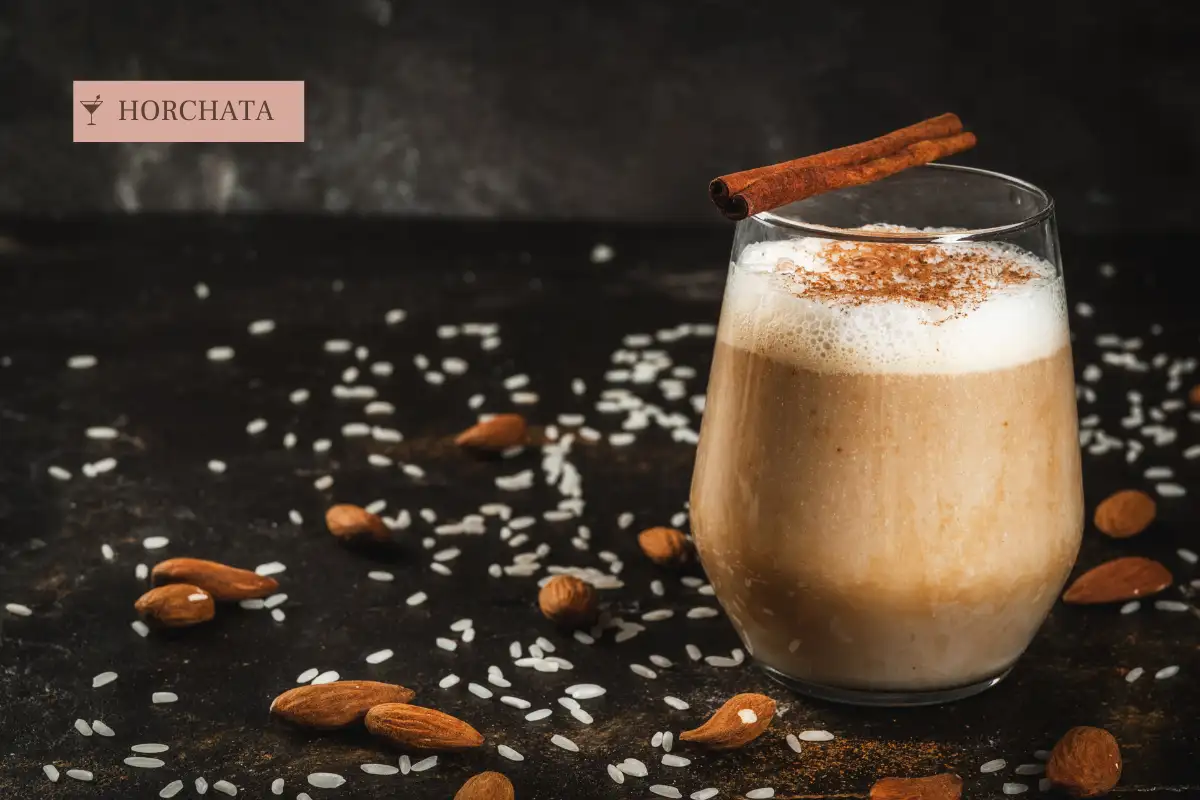
Horchata is a refreshing Valencian drink made from tiger nuts (chufas), water, and sugar. The Arabs brought the tiger nut to Valencia when they ruled the Iberian Peninsula, and the drink has been a local tradition ever since.
It's naturally dairy-free, slightly sweet, with a creamy texture and subtle nutty flavour. Traditionally served ice-cold with fartons, long sugar-glazed pastries perfect for dunking.
The authentic horchata experience
Horchata from a horchatería in Valencia is nothing like the bottled versions. It's fresh, creamy, and completely refreshing.
Visit Horchatería Santa Catalina in Valencia or look for 'horchata artesanal' signs. Ask for fartons on the side.
Price: €2.00-3.50 | Where: Valencia, nationwide | Best for: Hot summer days
Granizado de Limón
Granizado is a slushy made from fresh lemon juice, sugar, and crushed ice. You'll find it at kiosks, beach bars, and cafés across Spain during summer.
Other popular flavours include granizado de café (coffee), granizado de horchata, and granizado de naranja (orange).
Price: €2-3 | Where: Everywhere in summer | Best for: Beach days
Chocolate Caliente
Chocolate caliente (hot chocolate) in Spain is not like the watery version elsewhere. It's thick, rich, and intensely chocolatey, almost like drinking warm chocolate pudding.
The traditional pairing is churros, fried dough sticks that you dip into the chocolate. Breakfast of champions (or the best 3am snack after a night out).
Famous spots include Chocolatería San Ginés in Madrid (open since 1894) and many local churrerías.
Price: €2.50-4 | Where: Everywhere, especially Madrid | Best for: Winter mornings, late nights
Leche Merengada
Leche merengada is a traditional Spanish milkshake made from milk, sugar, cinnamon, lemon zest, and whipped egg whites. It's chilled and served semi-frozen with a dusting of cinnamon on top.
Popular in summer, especially at horchaterías in Valencia where it's served alongside horchata.
Price: €2-3.50 | Where: Valencia, Madrid | Best for: Summer treat
Regional Drinks
Sidra (Asturian Cider)
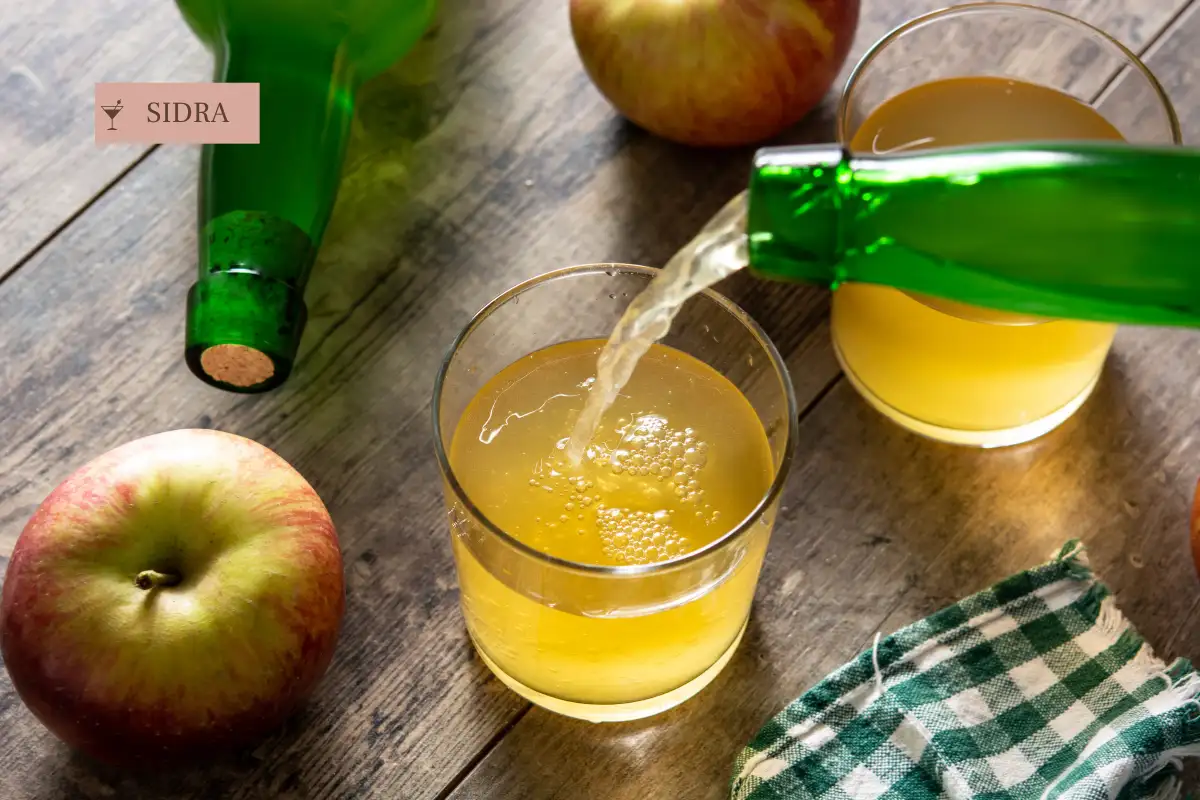
Sidra from Asturias and the Basque Country is traditionally poured using a technique called escanciar: the bottle is held high above the head and the cider is splashed into a wide glass held at hip level.
This aerates the cider and releases its flavours. You drink it quickly in one or two gulps, leaving a small amount in the glass (called the "culete") which is thrown away.
In a proper sidrería, the waiter will pour for you. In more casual settings, you might try your hand at escanciar yourself (prepare for wet shoes).
Price: €2.50-4.00/glass, €5-8/bottle | Where: Asturias, Basque Country | Best for: Cultural experience
How to Order Drinks in Spain
Essential Spanish Phrases for Ordering Drinks
- Una caña, por favor - A small beer, please
- Un tinto de verano - A red wine with lemon soda
- Una clara con limón - A shandy with lemon soda
- Un café con leche - A coffee with milk
- Un cortado - An espresso with a dash of milk
- Una copa de vino tinto/blanco - A glass of red/white wine
- ¿Tiene horchata? - Do you have horchata?
- La cuenta, por favor - The bill, please
Common Questions
The Bottom Line
Spanish drinks are as regional and diverse as the country itself. From the cider houses of Asturias to the sherry bodegas of Jerez, from Valencian horchaterías to Madrid's churrerías, each region has its own drinking traditions.
Skip the sangria (unless you really want it) and try what locals drink: tinto de verano on a hot terrace, a caña with your tapas, or a café con leche to start your morning. You'll taste more of Spain that way.
Salud!

Hola! I'm the researcher, walker, and co-founder behind Spain on Foot. I help travellers experience Spain authentically, through in-depth guides, locals-only knowledge, and cultural stories you won't find in guidebooks. You can reach me at heidi@spainonfoot.com
Planning a trip to Málaga?
Explore Málaga Guide→