culture
How to Live Like a Local in Spain: Customs, Culture, and Daily Habits (2026)
This post may contain affiliate links, which means I earn a small commission, at no extra cost to you. It helps keep the blog alive, and we really appreciate your support!

Want to swap tourist traps for authentic experiences? Here's how Spaniards actually live, and how you can join in.
Nobody likes sticking out as a tourist.
If you're eager to ditch the tourist label and blend in like a local on your next trip to Spain, I've got you covered.
I've rounded up the essential Spanish habits, customs, and insider tips to help you look less like a map-wielding outsider and more like someone who belongs.
Living Like a Local in Spain: Quick Facts
Ready? Vamonos!
Compare hotel prices in Spain
Find the best deal across booking sites
Spanish Timing
The first thing to understand about Spain is that it runs on a clock you might not be used to.
Fun fact: Spain is literally in the wrong time zone (thanks to Franco aligning with Nazi Germany in 1940), which means the sun sets later, and everything shifts accordingly.
| Activity | Spanish Time | What Happens |
|---|---|---|
| Desayuno (Breakfast) | 8am-9am | Coffee and toast, quick and light |
| Almuerzo (Second breakfast) | 10am-11am | Snack or tapa at a cafe |
| La Comida (Lunch) | 2pm-4pm | Main meal of the day, often 2 hours |
| Siesta/Break | 2pm-5pm | Shops close, pace slows |
| Merienda (Snack) | 5pm-6:30pm | Light snack, coffee, pastry |
| La Cena (Dinner) | 9pm-11pm | Lighter meal than lunch |
| Nightlife | 11pm onwards | Bars fill up, clubs open at 1am |
This schedule explains why restaurants are empty at 7pm (too early for dinner), why shops close midday, and why Spanish nights feel endless.
Local tip
The phrase you'll hear most often in Spain is "manana" (tomorrow) or "pasado manana" (the day after tomorrow). Spaniards live a relaxed life and often postpone affairs until later. Embrace it rather than fighting it.
Spain Is Not One Country
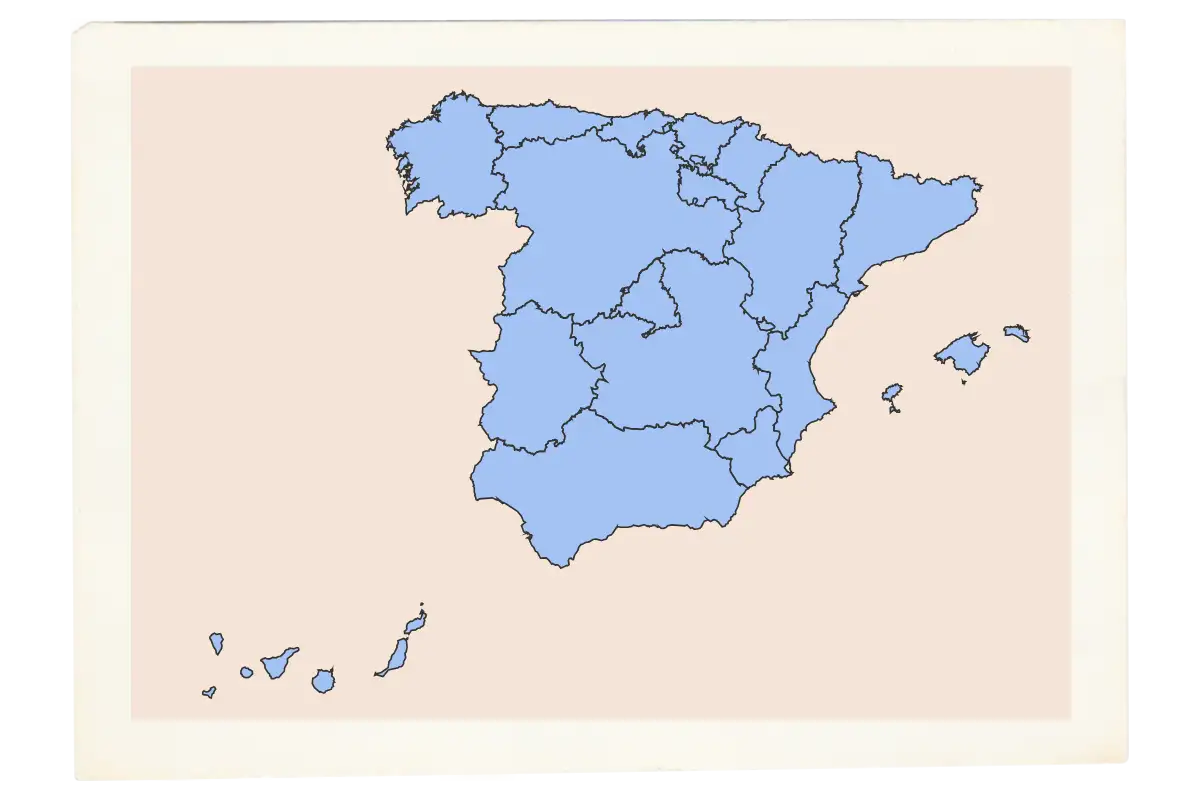
Before we dive deeper, let's clear one thing up: Spain isn't one-size-fits-all.
It's a patchwork of regions, each with its own culture, cuisine, quirks, and sometimes even its own language.
| Region | Language | Cultural Notes |
|---|---|---|
| Catalonia | Catalan | Say "bon dia" (good morning), independence sentiment |
| Basque Country | Euskera | Completely different language, pintxos culture |
| Galicia | Gallego | Celtic influences, seafood-focused |
| Andalusia | Spanish (Andalusian accent) | Flamenco, tapas, siesta still strong |
| Madrid/Castile | Castilian Spanish | The "standard" Spanish |
| Valencia | Valencian | Paella homeland, Fallas festival |
Euskera (Basque) doesn't even resemble Spanish.
It's one of the oldest languages in Europe with no known relatives.
You'll notice differences not just between regions, but sometimes even between neighbouring towns.
While this guide simplifies things, keep an open mind and embrace the regional nuances. Check out some of these Spanish superstitions too, many of which are very regional.
Greetings: The Two-Kiss Rule
In Spain, greetings are warm and physical.
When meeting friends, family, or even new acquaintances in social settings, Spaniards exchange "dos besos" (two kisses), one on each cheek, starting with the right cheek first.
How it works:
- Lean in to the right first (your right, their left cheek)
- Light air kiss or cheek touch, then switch sides
- Men usually shake hands with other men (unless close friends or family)
- Women kiss women and men kiss women
- In professional settings, a handshake is more common
Personal space is smaller in Spain than in northern European countries or the US.
Conversations happen close up, with lots of touching, hugging, and animated gestures. Don't back away; it might seem cold.
Speaking Spanish (Even Badly)
Even if you only master the basics, speaking a bit of Spanish works wonders.
Locals appreciate the effort, even if your accent is terrible. Our South African accents go down like a lead balloon in Spain, but it's usually funny rather than offensive.
Essential Phrases
| Spanish | English | When to Use |
|---|---|---|
| Hola | Hello | Entering any shop or bar |
| Buenos dias/tardes/noches | Good morning/afternoon/evening | Formal greetings |
| Gracias | Thank you | After receiving service |
| Por favor or Porfa | Please | When ordering (porfa is casual) |
| Perdon | Excuse me | Getting attention or apologising |
| La cuenta, por favor | The bill, please | Asking to pay |
| Una cana | A small beer | Ordering at a bar |
| Un cafe con leche | Coffee with milk | Morning order |
A Cultural Note on "Please" and "Thank You"
Spaniards don't sprinkle "please" and "thank you" into every sentence the way English speakers do.
Gratitude is often conveyed through tone rather than words.
For example: "Me pones un cafe cuando puedas" (Can you get me a coffee when you can?) gets the job done without a formal "please".
It's not rude; it's just different.
If you're unsure, stick to the classics, but adding a casual "porfa" can help you sound more relaxed.
Throwing in some Spanish slang can also be fun. Just because you can't hold a conversation doesn't mean you can't give someone a fun surprise.
Eating Like a Spaniard

Food is the heart of Spanish culture. Eating like a local involves more than just ordering paella.
Meal Times and Habits
Breakfast (Desayuno): Light and quick.
Most Spaniards have "cafe con leche" (coffee with milk) and "tostada" (toast) with olive oil and tomato, or butter and jam. This happens at home or at a cafe before work.
Second Breakfast (Almuerzo): Between 10am and 11am, many workers pop out for another coffee and a tapa or small snack. This is social as much as nutritional.
Lunch (La Comida): This is the main event.
Expect a full meal: starter, main course, dessert, and coffee. Many Spaniards take two hours for lunch, either at a restaurant or going home. The "menu del dia" (daily menu) offers a multi-course meal for €10-15.
Merienda: The afternoon snack between 5pm and 6:30pm helps bridge the gap to dinner. Think a small bocadillo (sandwich), pastry, or yoghurt with fruit.
Dinner (La Cena): Lighter than lunch and never before 9pm.
Eating at 10pm or 11pm is completely normal. Many restaurants don't even open for dinner until 8:30pm.
Sobremesa(Lingering after the meal)
One of Spain's most beautiful customs is "sobremesa", the time spent lingering at the table after the meal has ended. It's not about the food at this point but the joy of conversation, laughter, and simply being together.
Never rush to leave after eating.
Dining Don'ts
- Don't ask for the bill until you're ready to leave (it's considered rushing you out)
- Don't eat while walking (it's seen as uncouth)
- Don't order a cappuccino after lunch (cafe solo or cortado is the norm)
- Don't expect free bread or water (they're often charged)
Don't forget to experiment with Spanish drinks too!
The Truth About Siesta
The siesta is famous but widely misunderstood.
Today, less than 18% of Spaniards regularly nap during the afternoon. More than 50% never take a siesta at all.
In big cities like Madrid and Barcelona, the siesta is largely dead.
What siesta actually means now:
- Shops and small businesses close from 2pm-5pm in smaller towns and southern Spain
- Large chains, supermarkets, and cafes stay open
- It's a "pause" rather than mandatory sleep
- People might watch TV, read, run errands, or have a leisurely lunch
- You'll see people sipping coffee at a bar or chatting with friends
Where siesta still exists:
- Small towns and villages
- Andalusia (where afternoon heat makes it practical)
- Family-run businesses
- Traditional restaurants
The important thing is to adapt your schedule.
Don't expect to get much done between 2pm and 5pm in non-tourist areas. Many shops simply won't be open.
Tipping: The Spanish Way
Here's the deal with tipping: it's not expected, but it's appreciated. Spanish service staff are paid proper wages; they don't rely on tips to pay rent.
| Situation | What to Tip |
|---|---|
| Coffee or drinks at a bar | Round up or leave coins (€0.20-0.50) |
| Casual meal | Round up or 5-10% if exceptional |
| Fine dining | 5-10% for excellent service |
| Taxi | Round up to nearest euro |
| Hotel staff | €1-2 per bag for porters |
| Tour guides | €5-10 per person for a good tour |
If you have a drink and tapa that comes to €2.80, just leave the 20 cents.
It's appreciated but never expected. Don't feel obligated. Spain isn't the US, and tipping isn't a social contract.
Social Interactions
Spanish conversations may feel like a lot, especially if you're not from southern Europe. Here's what to expect:
Close quarters: Spaniards stand closer during conversations. Don't back away.
Loud voices: What sounds like arguing is often just enthusiastic discussion. It's normal.
Interrupting: Conversations overlap. Waiting for someone to finish before speaking can mean you never get a word in.
Eye contact: Maintained and expected. Looking away can seem shifty.
Touch: Arms, shoulders, and backs are touched during conversation. It's friendly, not intrusive.
Conversation Topics
In Spain, nobody cares about your job.
Conversations are about life, vacations, politics, and football, not work talk. Spaniards treasure meaningful exchanges: debating, sharing stories, discussing events. Connect with locals and open your mind to new perspectives.
Good topics: Food, travel, family, football, local fiestas, politics (Spaniards love to debate)
Avoid: Religion (unless asked), the Civil War (complex topic), comparing Spain to Latin America
The Paseo: Evening Strolls
One of Spain's loveliest traditions is the evening "paseo" (stroll). As temperatures cool, families, friends, and couples take to the streets to walk, chat, and be seen.
You'll see:
- Families with children out until late (10pm or 11pm)
- Elderly couples walking arm in arm
- Friends stopping to greet acquaintances
- Entire neighbourhoods outside on summer evenings
Join in.
Walk slowly, stop for a drink at a terrace, watch the world go by. This is Spanish life at its most authentic.
Practical Tips for Blending In
Blending In Checklist
- Say 'Hola' when entering any shop, bar, or restaurant
- Eat lunch between 2pm and 4pm, dinner after 9pm
- Never rush a meal - embrace sobremesa
- Greet with two kisses in social situations
- Dress well - Spaniards take pride in appearance
- Don't over-tip - leave small change, not 20%
- Learn a few phrases - effort is appreciated
- Accept that 'manana' is a way of life
Dress Code
Spaniards take pride in their appearance, dressing elegantly for everyday activities.
Whether going to school, shopping, or running a simple errand, there's a touch of sophistication. You won't see many Spaniards in gym clothes outside the gym or pyjamas in public.
Tips:
- Wear proper shoes, not trainers or flip-flops (unless at the beach)
- Avoid shorts and tank tops in cities (except in summer)
- Dark colours work well year-round
- Smart casual is the default for restaurants and bars
If You're Invited to a Spanish Home
Being invited to a Spanish home is an honour. Here's how to be a good guest:
- Bring a gift: Wine, chocolates, or flowers work well
- Avoid chrysanthemums and dahlias: They're associated with funerals
- Arrive 15-30 minutes late: Being on time is considered slightly early
- Compliment the home and the food: It's expected and appreciated
- Prepare for a long meal: Spanish dinners can last 3-4 hours
- Don't get drunk: Excessive drinking is frowned upon. Enjoy a few drinks, but stay in control
Discover Hidden Gems
While Spain has famous tourist hotspots, we built this blog around sharing favourite non-touristy spots. Here's how to find the real Spain:
Explore Local Markets
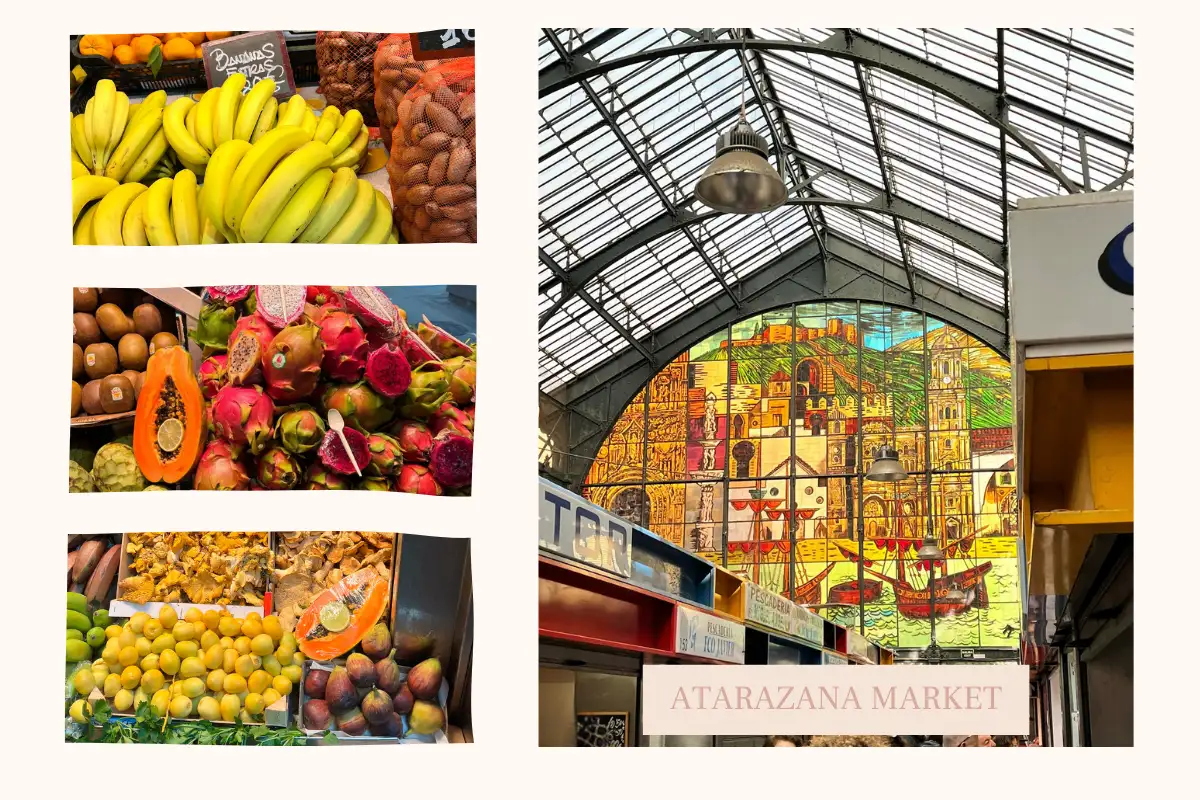
Every Spanish city has a central market selling fresh produce, seafood, cheese, and local specialties.
Markets like Atarazanas in Malaga, La Boqueria in Barcelona, or Mercado de San Miguel in Madrid offer authentic food experiences. Go in the morning when locals shop.
Visit Local Neighbourhoods
Instead of sticking to touristy areas, explore neighbourhoods where locals actually live:
- Malasana (Madrid): Hipster bars, vintage shops, real madrileños
- El Raval (Barcelona): Diverse, edgy, authentic
- Triana (Seville): Traditional ceramics, flamenco roots, local tapas bars
- La Latina (Madrid): Sunday rastro market, tapas crawl paradise
Find Local Festivals
From baby jumping to mock funerals, Spain has festivals you've never heard of.
Ask locals what's happening, or plan ahead for village fiestas that tourists never find. These are often the most memorable experiences.
Free and Cheap Cultural Experiences
- Free museum Sundays: Many museums offer free entry on Sundays, especially in Malaga. Queues are longer, but you can see a lot for nothing
- Flamenco at local bars: Skip the tourist tablaos. Many neighbourhood bars host free flamenco, especially in Seville and Granada
- Parks and plazas: Retiro Park in Madrid, Park Guell in Barcelona, and countless plazas nationwide offer free people-watching
- Church concerts: Many cathedrals host free or cheap classical concerts
- Fiestas: Local festivals are free, fun, and utterly Spanish
Become a Disfruto/Disfrutona
Want to really live like a local? Become a "disfruto/disfrutona" (a lover of life's simple pleasures).
Whether it's savouring a perfectly prepared meal, enjoying a sunny afternoon in the plaza, or spending three hours at dinner with friends, this mindset helps you slow down and appreciate the richness of everyday moments.
Spain isn't about rushing to see everything. It's about experiencing life fully, one meal, one conversation, one sunset at a time.
Frequently Asked Questions
Ready to Blend In?
Now you're ready to swap tourist traps for authentic experiences. Leave the guidebook behind, soak in the atmosphere, and embrace the quirks.
You might just fall in love with the local way of life.
Buen Viaje!

Hola! I'm the researcher, walker, and co-founder behind Spain on Foot. I help travellers experience Spain authentically, through in-depth guides, locals-only knowledge, and cultural stories you won't find in guidebooks. You can reach me at heidi@spainonfoot.com