tips
Everything You Need to Know Before Buying a Flamenco Dress in Malaga
This post may contain affiliate links, which means I earn a small commission, at no extra cost to you. It helps keep the blog alive, and we really appreciate your support!

You only live once, get the dress and be Spanish, if just for a day.
If you're visiting Málaga for the Feria and wondering where to buy a flamenco dress, here's a full guide based on my experience (and mistakes!).
Every year during Feria, I've found myself standing on the sidelines, snapping photos of the beautiful women in their dresses as they walk by. I promised myself that one day, I'd stop admiring and start participating.
This year, I finally did it.
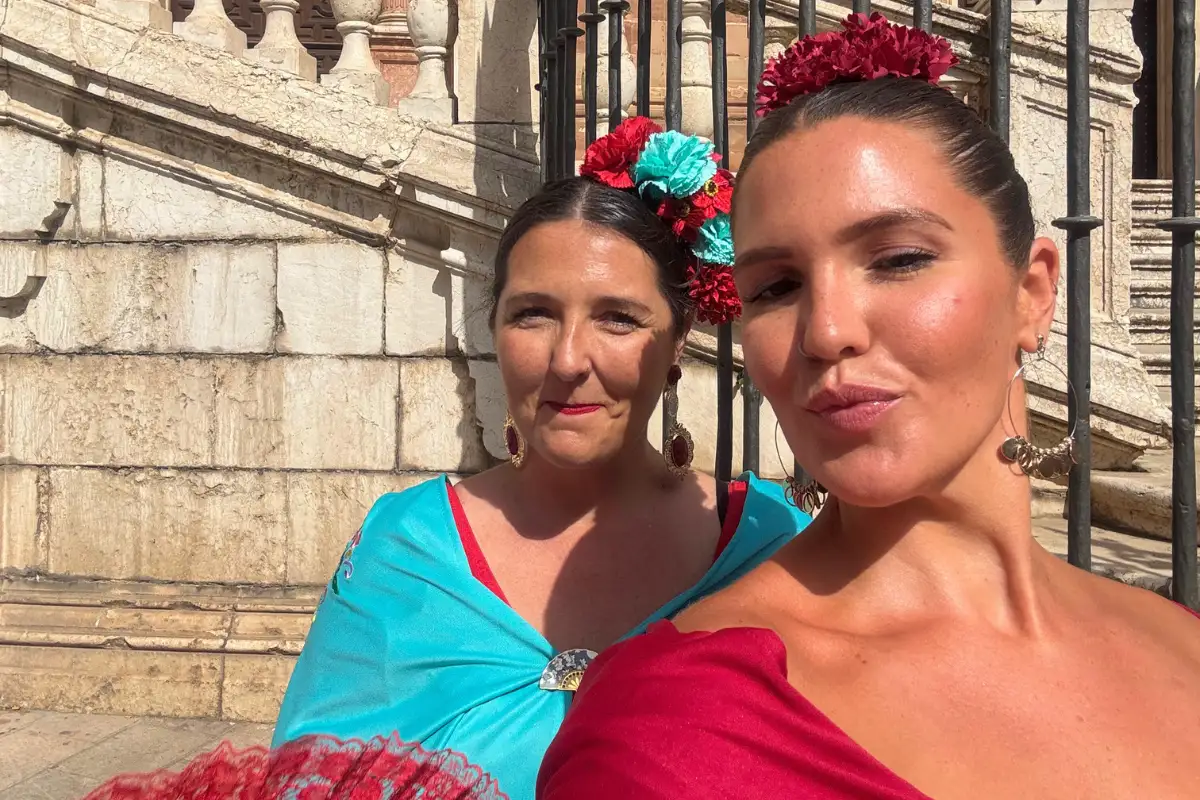
I splurged on a brand-new red flamenco dress from Golo de Lunares, complete with mantón, flor, pendientes grandes, and a peineta. At €280, it wasn't cheap, but it was worth every cent.
My daughter found hers second-hand on Vinted for a bargain, and together we strolled through Málaga's streets, dressed to the nines. If you're curious about more unique festivals in Spain, we've got a guide for that too.
Tourists stopped us for photos, locals pulled us into dances, and at one point, we even made it onto the evening news.
But here's what I wish I'd known before shopping: you don't have to spend a fortune to look the part.
Whether you're planning ahead for Feria 2026 or just arriving in Málaga last-minute, here's your guide to finding the perfect traje de flamenca.
Compare hotel prices in Málaga
Find the best deal across booking sites
When was the Flamenco Dress Created?
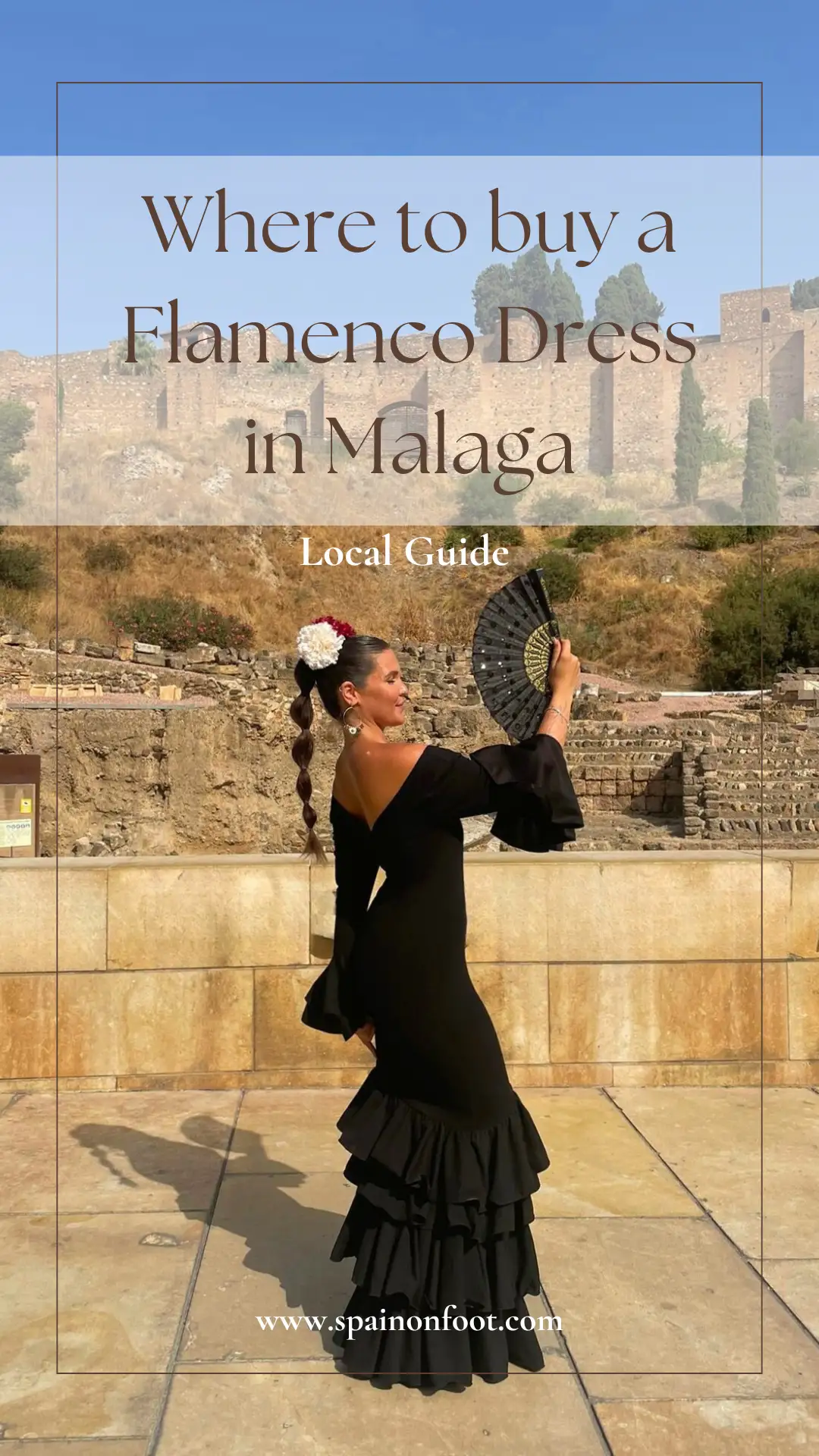
A little bit of online sleuthing went into this bit...
It began in Sevilla, inspired by Romani women at the 19th-century Feria de Abril.
Their ruffled, homemade dresses caught the eye of high society, and soon the style spread to every class and occasion. By the 20th century, it had become the feria uniform: bold, tailored, and unmistakable.
You'll hear it called different names:
- Traje de gitana – "gypsy dress," linked to Romani heritage.
- Traje de sevillana – tied to Seville's Feria de Abril.
- Traje de faralaes – from faralá, meaning ruffle.
- Traje de guitarra – once worn by female performers on the road.
Today, you'll see every version imaginable: long or short, dotted or floral, even pantsuit adaptations for women on horseback.
And still, no two are the same. That individuality is part of the magic.
💃🏻 Fun fact: Flamenco fashion changes every year, and many locals buy a new dress annually to stay on trend. Think of it like a seasonal runway, styles, sleeve lengths, and ruffle shapes evolve, and Feria regulars love showing off the latest looks.
How Much Does a Flamenco Dress Cost in Malaga?
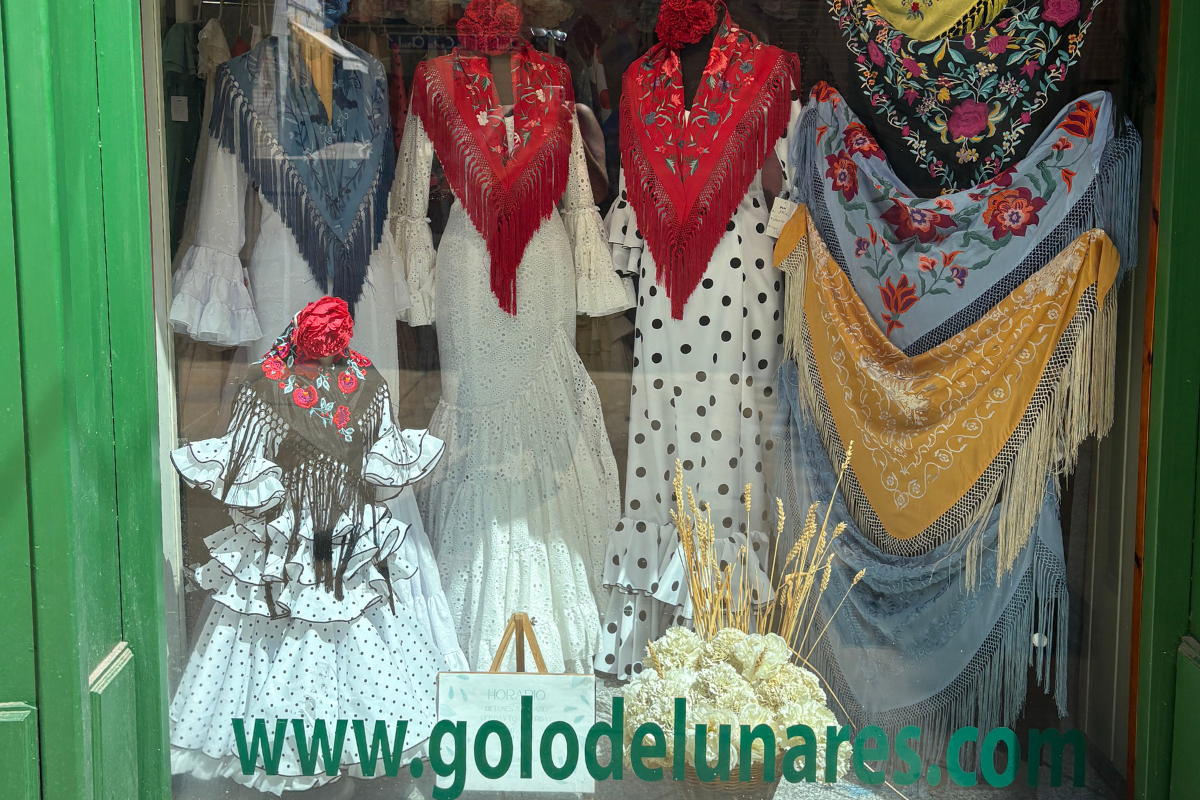
Prices swing wildly depending on where and how you shop:
- Second-hand: €50–€150
- Mid-range boutiques: €150–€400
- Designer couture: €500–€850+
- Children’s dresses: €30–€250
Accessories add up fast: mantón (shawl) from €10 to €200+, earrings and flowers €5–€40, wedges €20–€50.
When I bought mine, a bold red number from Golo de Lunares in Málaga, it cost around €260. My daughter's second-hand Vinted find was just €60, and she looked just as dazzling.
Choosing the Perfect Flamenco Dress
Looks are one thing, comfort is another. Flamenco dresses are tight, and that's the point. But there are ways to make sure you last all day:
- Fit: Look for a bit of stretch. It helps with dancing (and the bathroom test).
- Fabric: Cotton blends are cooler in August.
- Trends: Polka dots, bright colours, daring cuts, choose what excites you.
- Undergarments: Bike shorts or shapewear are lifesavers.
When I tried mine on, I could barely sit down at first. Lesson learned: if you can't walk or dance, it doesn't matter how stunning it looks on the hanger.
Flamenco Dress Accessories That Make the Look
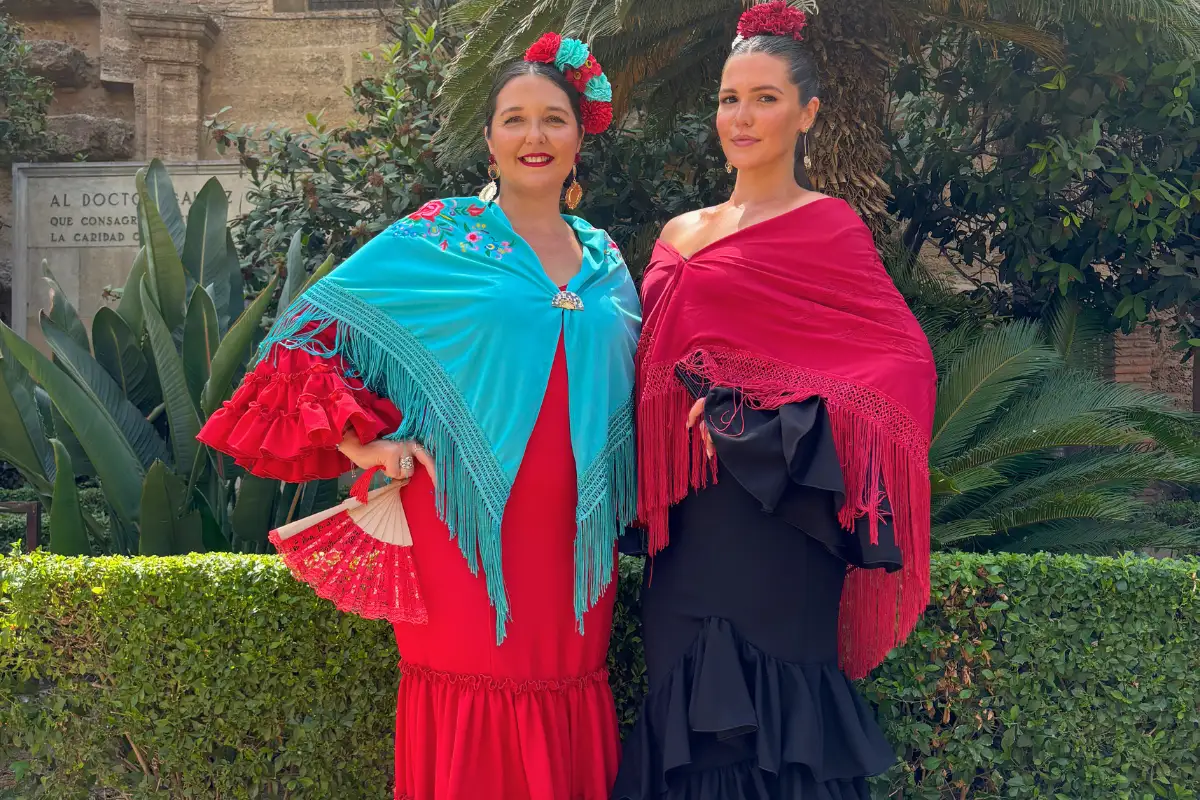
No flamenco dress is complete without accessories. The essentials:
- Mantón (shawl) – Simple cotton or heirloom silk.
- Flor (hair flower) – Traditionally worn high on the head.
- Peineta (comb) & broche – To pin and frame the shawl.
- Pendientes grandes – Big earrings are non-negotiable.
- Fan (abanico) – Stylish and practical.
- Shoes – Wedges or flamenco shoes, sturdy enough for dancing.
Where to Buy a Flamenco Dress in Málaga
- Golo de Lunares
- Address: Calle Andrés Pérez 7, Málaga Centro
- Price range: €150–€400
- Why go: Classic + modern designs, in-house alterations included if you buy in-store. They also stock accessories (flowers, mantones, earrings).
- Online store: Yes, but in-person fitting is worth it.
Other Boutiques & Designers
- El Rocío Moda Flamenca (Calle Carretería 85): Known for traditional polka dots and bright colours.
- Rocío Montserrat(Calle Nueva 12): Contemporary cuts, popular with younger feria-goers.
- Pop-up feria stalls: Appear around June/July, usually near Calle Larios and El Corte Inglés. Affordable, but quality varies.
Flamenco Dress Rentals (for Feria de Málaga)
If you'd prefer to rent instead of buy, one of the best-known options is Flamenco y Más.
Their main shop is in Seville (Calle San Luis 120, next to the Macarena Church), but they also provide rentals and styling for Feria events in Málaga.
You can choose from a wide range of dresses and accessories, and they'll even arrange delivery or fittings at your hotel or event in Málaga, which is a lifesaver if you're only in town for a few days.
Price guide: expect around €40–€70 per day for standard rentals, with higher-end designer pieces costing more.
Online & Second-Hand Flamenco Dresses in Malaga
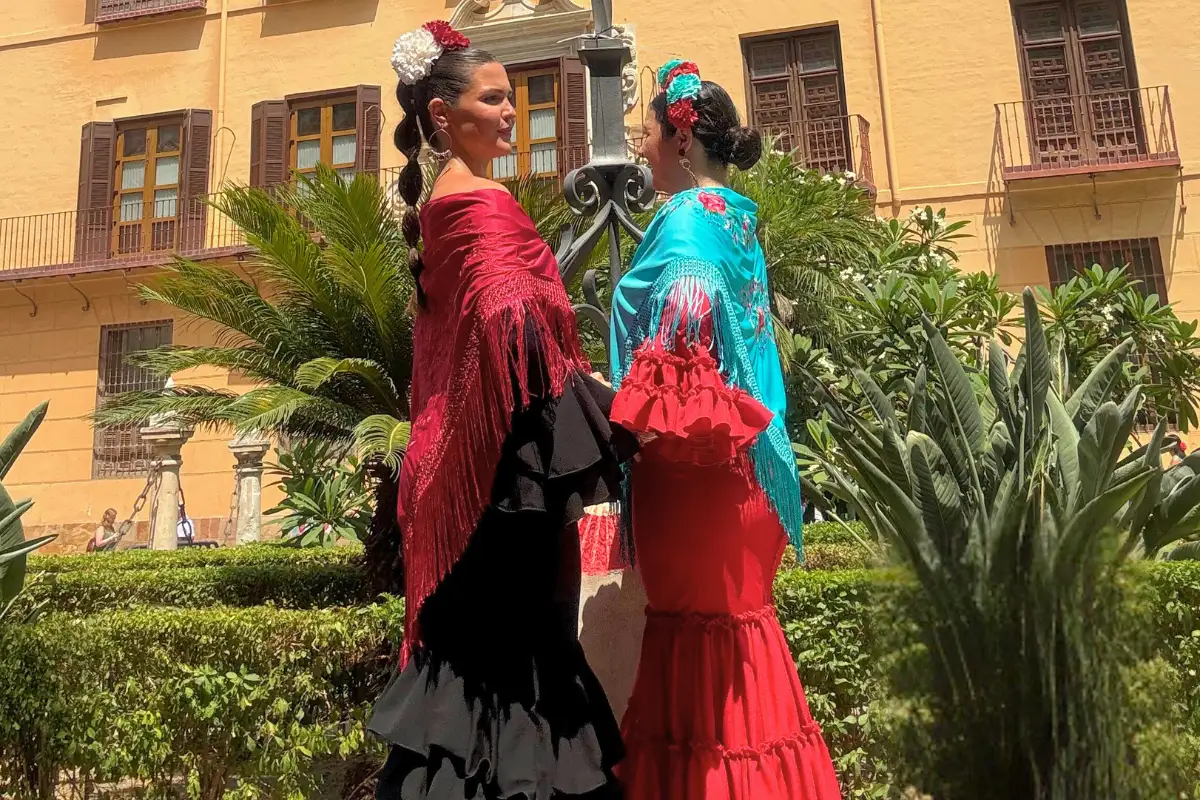
If you're on a budget or just want to blend in like a local, go second-hand. Many Andalusian women buy a new dress each year, which means barely worn ones end up for resale.
Best bets:
- Wallapop: Spain's go-to resale app. Dresses from €30.
- Vinted.es: Great for lightly used feria dresses sold by locals.
- Facebook Marketplace: Handy for last-minute finds if you're already in Málaga.
- Amazon.es: Limited selection, but good for flowers, earrings, and shoes.
🔥 Pro tip: Start browsing in May/June. By July, second-hand dresses are snapped up quickly.
How to Choose the Perfect Dress
- Fit is everything: Flamenco dresses are tight. Try sitting, walking, and dancing before committing.
- Fabric: Lightweight cotton blends keep you cooler in August heat.
- Go bold: Bright reds, blues, greens, and polka dots dominate.
Accessories complete the look:
- Mantón (shawl, often €10–€200). We went for the cheapest version (simple fabric, embroidery with fringe), but many Spanish women invest in hand-embroidered silk mantones. These can be heirloom pieces passed down through generations, and often cost more than the flamenco dress itself.
- Flor (hair flower)
- Pendientes grandes (big earrings)
- Peineta (decorative comb)
Practical Tips for Wearing It
- Shoes: Wedges or flamenco shoes are more comfortable than heels.
- Stay cool: Dresses aren't breathable, drink water, and carry a fan (your new best friend).
- Undergarments: Wear bike shorts or a slip for comfort.
- Day vs. night: Locals wear their best dresses during the daytime Feria and switch to lighter outfits at night.
- Pack smart: If you're travelling, roll the dress with tissue paper or carry it in a garment bag. Most flamenco dresses are machine-washable, and once you hang them up, the creases will naturally fall out.
Final Thoughts: My Red Dress & Feria Magic
If you have the time and budget, buying or renting a flamenco dress is absolutely worth it.
Walking through Málaga Feria in my red dress was one of the best choices I've made since moving here. Strangers smiled, people pulled me into dances, and for the first time, I felt like part of the tradition instead of just a tourist.
But here's the secret! You don't need the whole outfit to feel the magic.
Even if you skip the dress, just slip a flower into your hair, clap along to the music, and dance the night away.
At the end of the day, Feria is less about what you wear and more about the experience, the music, the people, and the joy of being swept up in Málaga's biggest celebration.
So whether you're dressed in ruffles or just rocking a flower, don't watch Feria from the sidelines, live it.
Looking for more things to do in Malaga? We've got plenty of ideas. And if you need a place to stay during the festivities, check out where to stay in Malaga.
P.S. Follow our Malaga Events Calendar for more places to wear your new dress!

Hola! I'm the researcher, walker, and co-founder behind Spain on Foot. I help travellers experience Spain authentically, through in-depth guides, locals-only knowledge, and cultural stories you won't find in guidebooks. You can reach me at heidi@spainonfoot.com
Planning a trip to Málaga?
Explore Málaga Guide→