things-to-do
Caminito del Rey: The Complete Guide to Spain's Most Thrilling Walk (2026)
This post may contain affiliate links, which means I earn a small commission, at no extra cost to you. It helps keep the blog alive, and we really appreciate your support!

Once called "the world's most dangerous path", now it's one of Spain's most spectacular walks. Here's exactly how to do it.
The Caminito del Rey is a 7.7-kilometre walkway pinned to the sheer cliffs of southern Spain's Gaitanes Gorge, suspended up to 100 metres above the Guadalhorce River.
Once nicknamed "the world's most dangerous path" after years of deadly neglect, it reopened in 2015 as a fully restored, safe (but still spectacular) hiking experience.
Walking narrow wooden boardwalks bolted to vertical rock faces, crossing a swaying suspension bridge high above the gorge, and watching eagles soar below you: this is one of Spain's most unforgettable experiences.
And it's just an hour from Málaga.
Caminito del Rey: Essential Info
We've walked it, we've taken friends who were terrified of heights (sorry, Carolina), and we've learned exactly what you need to know to get the most from this incredible trail.
This guide covers everything: how to get tickets, how to get there, what to expect on the route, and insider tips that most guides miss.
Compare hotel prices in Málaga
Find the best deal across booking sites
What Is the Caminito del Rey?
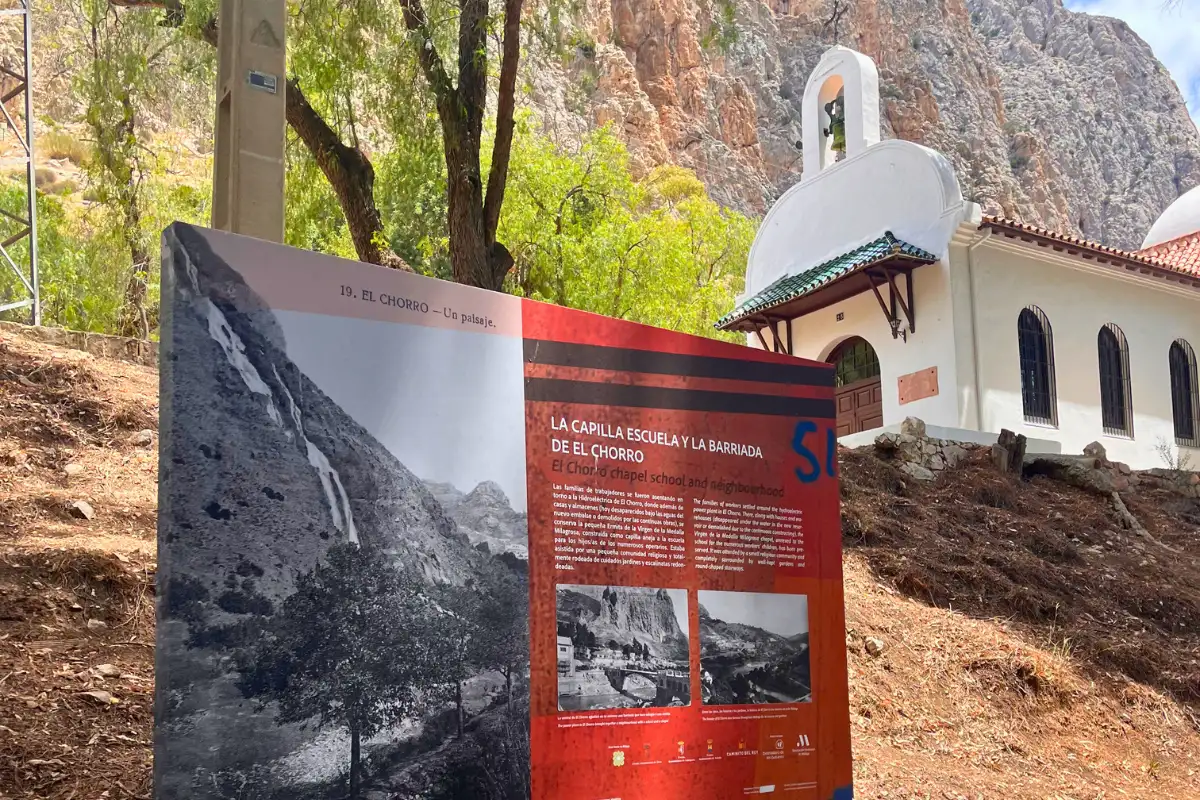
Caminito del Rey translates to "The King's Little Pathway", named after King Alfonso XIII, who walked it in 1921 to inaugurate the nearby dam and reservoir.
But the path itself dates back to 1905, built to transport workers and materials between two hydroelectric plants nestled in the gorge.
For decades, it served its industrial purpose without fanfare.
Then, as the plants became obsolete, so did the path.
Maintenance stopped. Concrete crumbled. Railings disappeared. Holes opened up in the walkway.
By the 1990s and early 2000s, the Caminito had become infamous among thrill-seekers and urban explorers. Despite official closures, climbers and adrenaline junkies would scale fences to traverse what remained, sometimes with fatal consequences.
Several deaths led to complete closure and years of debate about what to do with this engineering relic.
The answer came in 2015: a €5.5 million restoration project rebuilt the entire route using modern materials while preserving its historic character.
New wooden boardwalks, steel supports, glass viewing platforms, and safety railings transformed the death trap into a world-class attraction without losing the vertigo-inducing drama.
Today, over 300,000 people walk the Caminito del Rey each year.
It's one of Andalusia's most popular attractions and, honestly, one of the most memorable things you can do in Spain.
Local tip
The "old path" (the crumbling original concrete walkway) is still visible in many places, running parallel to the new boardwalks. Looking at those broken sections, with rusty cables dangling into the void, gives you a visceral sense of just how dangerous this place once was.
How to Get Tickets
Tickets sell out well in advance.
This isn't marketing hype, it's reality. Spring and autumn weekends can sell out months in advance, and even midweek slots disappear quickly during peak season.
Book as early as possible.
Ticket Types and Prices
| Ticket Type | Price | Includes |
|---|---|---|
| General Entry | €10 | Self-guided access, helmet provided |
| Entry + Shuttle Bus | €11.55 | Entry plus bus from El Chorro to the start |
| Guided Tour | €18 | Expert guide, smaller groups, more info |
Children under 8 are not permitted on the trail. Those aged 8-17 must be accompanied by an adult and bring ID proving their age.
Where to Book
- Official website: caminitodelrey.info releases tickets approximately 2-3 months in advance. You'll need to create an account, then select your date, time slot, and ticket type.
- GetYourGuide: If official tickets are sold out (common for popular dates), tour operators often have allocations available. These typically include transport from Málaga, making logistics easier.
Booking Strategy
Set a calendar reminder for when your travel dates become bookable (roughly 2-3 months ahead). Log in early in the morning on release day for the best slot selection. Weekday mornings have the best availability; weekend slots vanish fastest.
Choosing Your Time Slot
Time slots are assigned every 15-30 minutes throughout the day. Your choice matters more than you might think:
First slots (9:00-10:00am)
- Pros: Cooler temperatures, fewer people on the trail, best photography light
- Cons: Need to arrive very early, especially if coming from Málaga
Midday slots (11:00am-1:00pm)
- Pros: Easier logistics, sun illuminates the gorge beautifully
- Cons: Can be hot in summer, more crowded
Afternoon slots (2:00pm onwards)
- Pros: Crowds thin out, golden light later in the walk
- Cons: Limited in winter (path closes earlier), hot in summer
Local tip
For the best experience, book the earliest unguided slot you can manage. You'll get ahead of the tour groups and have moments where you're nearly alone on the boardwalks, which is magical for photos and for simply absorbing the scale of the place.
Getting to the Caminito del Rey
The trail runs one-way from north to south, starting near the village of Ardales and ending at El Chorro. This linear route means you need to plan how to get back to your starting point.
By Car from Málaga
- Distance: 60km from Málaga city centre (about 1 hour)
- Route: Take the A-357 towards Campillos, then the A-343 to Ardales. Follow signs to "Caminito del Rey Acceso Norte."
Parking Options:
| Car Park | Location | Price | Walk to Entrance |
|---|---|---|---|
| P1 (Municipal) | Near Kiosko Restaurant | €2/day | 2.7km (35 min) via path |
| P (Visitors Centre) | Reception centre | €2/day | 1.5km (20 min) via tunnel |
The return problem: Since you finish at El Chorro (south), not where you started (north), you have three options:
-
Shuttle bus (€2.50): Runs from the south exit back to the north car parks. Buy tickets online with your entry or pay cash on the bus. Check schedules as they don't run all day.
-
Two cars: If you're in a group, leave one car at El Chorro before driving to the start.
-
Book a guided tour: Transport logistics are handled for you.
By Train

RENFE's C-2 commuter line runs from Málaga María Zambrano to El Chorro-Caminito del Rey station, a scenic 45-minute journey through the Guadalhorce valley (around €6 each way).
The catch: El Chorro station is near the south (exit) end of the trail.
You'll need to take the shuttle bus from El Chorro to the north entrance to start your walk. After finishing, you can walk back to El Chorro station (about 2.7km) for the train home.
Train schedule: Limited service, typically 2-3 trains per day in each direction. Check RENFE schedules and plan carefully, especially for return journeys.
Train Timing
The train is scenic but inflexible. Make sure your time slot allows enough buffer to catch the shuttle to the start and enough daylight to return to the station after your walk. Morning slots work best for train visitors.
By Organised Tour
The easiest option if you don't want to worry about parking, shuttles, and timing. Tours from Málaga typically include:
- Hotel pickup and drop-off
- Entry ticket (often with priority access)
- All transport and shuttle logistics
- English-speaking guide (on guided options)
Tours range from €35-60 depending on whether they include a guided walk or just transport. Worth considering if you're travelling solo or prefer hassle-free logistics.
What to Expect on the Trail
The full experience is 7.7 kilometres, but this breaks down into three distinct sections:
The Access Path (North Entrance to Boardwalks): ~2.7km
Your walk begins well before the dramatic cliffside sections. From the car park or bus drop-off, you'll walk through a mix of:
- A long illuminated tunnel (from the Visitors Centre parking)
- Dirt paths through scrubland
- Views of the reservoir and dam
This section takes 30-45 minutes and serves as a warm-up. The scenery is pleasant but unremarkable, so save your camera battery for what's coming.
The Boardwalks and Gorge: ~2.9km
This is why you came.
The wooden boardwalks begin once you reach the gorge entrance. From here, you're walking paths barely a metre wide, bolted to vertical cliffs that drop 100+ metres to the turquoise Guadalhorce River below.
Key features you'll encounter:
- The Valley of the Hoyo: The first section winds through the narrow Valle del Hoyo, with the old ruined path visible above.
- Glass viewing platform: A section with transparent flooring lets you look straight down to the river. Not for the faint-hearted.
- The Gaitanes Gorge: The narrowest point of the gorge, with walls just 10 metres apart, rising 400 metres above you. The scale is breathtaking.
- The suspension bridge: The grand finale. A 35-metre bridge spans the gorge at its widest point, swaying gently as you cross. It's completely safe, but your brain will have opinions.
Local tip
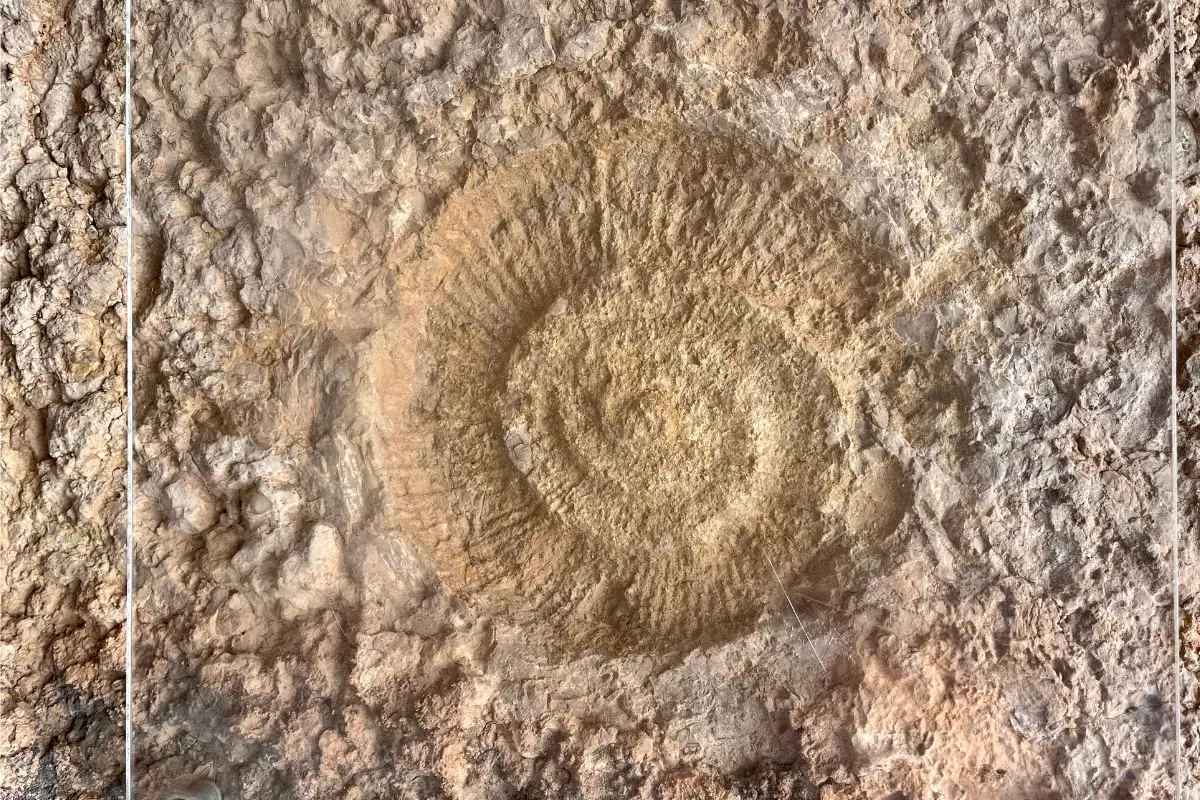
Just before the suspension bridge, there's a bend in the path. On the rock wall to your left, look carefully for a 200-million-year-old ammonite fossil embedded in the stone. Most people walk straight past, so spotting it without a guide makes you an official Caminito Champion.
Exit Path (Boardwalks to El Chorro): ~2.1km
After the bridge, a gradual descent through more natural terrain leads to the south exit. You'll pass:
- The old hydroelectric plant buildings
- El Chorro reservoir views
- The exit checkpoint
From here, it's about 2.7km to El Chorro village (for train station) or you can catch the shuttle bus back to the north car parks.
Difficulty Level: Is It Hard?
The short answer: physically easy, psychologically challenging if you fear heights.
The trail is rated easy to moderate.
The boardwalks are flat and well-maintained. There are handrails throughout. You won't be scrambling over rocks or navigating tricky terrain.
Trail Difficulty
- + Mostly flat or gently descending
- + Sturdy wooden boardwalks with railings
- + No technical climbing or scrambling
- + Helmets provided for safety
- + Well-maintained and signposted
- - Heights up to 100m above the gorge
- - Narrow walkways (1m wide)
- - Swaying suspension bridge
- - 7.7km total walking distance
- - No shade on most sections
Can People with a Fear of Heights Do It?
Yes, I did.
The handrails are solid, the boardwalks feel secure, and there's no actual danger.
But here's the honest truth: if you have genuine vertigo or severe acrophobia, this will test you. The glass floor section and suspension bridge are the most intense moments.
Our friend Carolina has a moderate fear of heights.
She made it through, but there were moments of genuine distress on the suspension bridge. She's glad she did it, but she also hasn't stopped talking about how terrifying certain sections felt.
Tips for nervous walkers:
- Stay on the inside (cliff side) of the walkway where possible
- Don't look down through the glass section if it bothers you
- Focus on the horizon rather than the drop
- Take your time (there's no rush)
- Consider bringing someone supportive to walk with
Fitness Requirements
You need to be able to walk 7-8 kilometres over 3-4 hours with some gentle inclines.
If you can manage a moderate day hike, you'll be fine. The pace is entirely up to you, and most people stop frequently for photos and to absorb the views.
Not recommended for: Anyone with serious mobility issues, heart or lung conditions that affect exercise capacity, or those unable to walk moderate distances on uneven terrain.
Best Time to Visit
By Season
| Season | Conditions | Crowds | Verdict |
|---|---|---|---|
| Spring (Mar-May) | Ideal temps (15-25°C), green landscape | High (book early) | Best overall |
| Summer (Jun-Aug) | Hot (30°C+), intense sun | Moderate (locals on holiday) | Book early slots |
| Autumn (Sep-Nov) | Pleasant temps, golden light | High Sep, low Nov | Excellent choice |
| Winter (Dec-Feb) | Cool but mild, possible rain | Low | Great for solitude |
Best months: April, May, September, and October offer comfortable temperatures and stunning scenery.
Avoid if possible: Midday in July-August unless you enjoy hiking in 35°C heat with no shade.
By Day of Week
- Weekdays (Tue-Thu): Fewest visitors, most peaceful experience.Easier to find tickets.
- Fridays: Busier than other weekdays but manageable.
- Weekends: Crowded. Spanish families, tour groups, day-trippers. Still enjoyable, but you'll share the boardwalks with many others.
- Mondays: The trail is closed every Monday (plus Jan 1, Dec 24-25, Dec 31).
Local tip
For the ultimate experience, book a Wednesday morning slot in late April or early October. You'll have comfortable temperatures, spectacular scenery, and moments of genuine solitude on the boardwalks.
What to Bring
Packing List
- Comfortable walking shoes with good grip (no flip-flops, heels, or open-toed shoes)
- Water (at least 1.5 litres in summer, 1 litre in cooler months)
- Sunscreen and sunglasses (little shade on the route)
- Light snacks for the walk
- Phone with lanyard/strap (dropping it in the gorge is forever)
- Light jacket or layer (it can be cooler in the shaded gorge sections)
- Small backpack (hands-free is essential)
- Camera with wrist strap
What NOT to Bring
- Large backpacks: Nothing over 5kg is permitted
- Tripods and selfie sticks: Not allowed on the boardwalks
- Drones: Strictly prohibited
- Pets: Not permitted for safety reasons
- Walking poles/canes: Not allowed (stability aids need advance permission)
- Umbrellas: Not practical and can be dangerous in wind
Rules and Restrictions
The Caminito has strict rules, and they'll turn you away if you don't comply:
Entry requirements:
- You must arrive at least 30 minutes before your slot
- Tickets are checked at multiple points, so have them accessible
- Official ID is required for children (to prove they're 8+)
- Children under 18 must be accompanied by an adult
During the walk:
- Helmets are mandatory (provided free at the entrance)
- Stay on the marked path at all times
- No running, jumping, or climbing on railings
- No littering (there are no bins on the trail)
- No smoking on the boardwalks
- Follow staff instructions
What happens if it rains? The trail stays open in light rain.
In heavy rain or dangerous weather (high winds, storms), it closes for safety. If your slot is cancelled due to weather, you can reschedule through your account on the official website.
Opening Hours
| Season | Opening Hours | Last Entry |
|---|---|---|
| Summer (Jun-Sep) | 9:00am - 5:20pm | 5:00pm |
| Winter (Oct-May) | 9:00am - 2:50pm | 2:30pm |
Closed: Every Monday, January 1, December 24-25, December 31.
After the Walk: Where to Eat
After 3-4 hours of walking, you'll be ready for food. The area around El Chorro has several options:
El Kiosko Restaurant (near north entrance): The most convenient option if you parked at P1. Simple Spanish fare: bocadillos, tapas, cold drinks.
Restaurante El Mirador (El Chorro village): Better food, terrace with gorge views. Worth the short walk if you have time.
Bar Estación (near El Chorro station): Basic but convenient if catching the train.
Or do what we did: drive to the nearby town of Ardales or Álora for a proper lunch. Both have charming plazas with local restaurants serving authentic Andalusian cooking at non-tourist prices.
Is the Caminito del Rey Worth It?
Absolutely. Without hesitation.
This isn't a gentle nature walk.
It's an experience that stays with you. The combination of dramatic scenery, engineering marvel, and that primal edge-of-your-seat sensation makes it one of Spain's most memorable attractions.
Yes, it's touristy.
Yes, you'll share the path with others. But when you're standing on a wooden board 100 metres above a turquoise river, watching vultures circle below you and limestone walls rise impossibly high on either side, none of that matters.
Just book early. Really, really early.
Read more: Our slightly traumatic but totally iconic Caminito story (including what happened to Carolina on the suspension bridge).
Frequently Asked Questions

Hola! I'm the researcher, walker, and co-founder behind Spain on Foot. I help travellers experience Spain authentically, through in-depth guides, locals-only knowledge, and cultural stories you won't find in guidebooks. You can reach me at heidi@spainonfoot.com
Planning a trip to Málaga?
Explore Málaga Guide→