tips
How to Avoid Looking Like a Tourist in Spain
This post may contain affiliate links, which means I earn a small commission, at no extra cost to you. It helps keep the blog alive, and we really appreciate your support!

After living in Spain for years, this is the advice I always give to visiting friends.
Want to blend in with the locals during your trip to Spain?
You don't need to become Spanish overnight, but a few adjustments to what you wear, when you eat, and how you interact will help you experience Spain like a resident rather than a tourist.
Spaniards have a distinct sense of style that's effortlessly put together. They approach mealtimes, social interactions, and daily life differently from most visitors.
After years of living here, these are the things I always tell friends before their first trip.
Quick Answer: Blend In Like a Local
The Biggest Tourist Giveaways (And How to Avoid Them)
Before we dive into details, here are the instant tells that mark someone as a tourist:
- Eating dinner at 5 pm (kitchens aren't even open yet)
- Wearing flip-flops away from the beach
- Ordering a large coffee or a café con leche after lunch
- Asking for sangria at a local bar
- Rushing through meals and asking for the bill immediately
- Wearing athletic gear outside the gym
Get these few things right, and you'll already blend in better than 90% of visitors.
Compare hotel prices in Spain
Find the best deal across booking sites
What to Wear in Spain
Spaniards dress well, even for casual outings.
That doesn't mean formal, but it does mean intentional. Athleisure, baggy clothes, and overly "touristy" attire (cargo shorts, oversized t-shirts, sports jerseys) will immediately mark you as a visitor.
The Spanish approach to style is practical elegance: fitted, well-cut clothing that looks polished but remains comfortable.
Spanish Dress Code
- + Well-fitted jeans or chinos
- + Stylish but comfortable shoes (leather sneakers, loafers, espadrilles)
- + Light layers (cardigans, blazers, denim jackets)
- + Classic sunglasses (not sporty wraparounds)
- + Chic crossbody bag or small backpack
- + Neutral colours with subtle personality
- - Flip-flops away from the beach
- - Large fanny packs worn across the chest
- - Athletic wear outside the gym
- - Big, floppy sun hats in cities
- - Neon colours and excessive patterns
- - Baggy, shapeless clothing
The Flip-Flop Rule
This catches almost every tourist.
Spaniards rarely wear flip-flops outside of beaches and pools.
In cities, even on the hottest days, you'll see locals in sandals, espadrilles, or breathable sneakers. But almost never flip-flops.
If you're headed to the beach, fine. Otherwise, leave them at the hotel.
Dress for the Occasion
Spaniards match their clothes to the activity.
They wouldn't wear gym clothes unless actually going to the gym. Even "casual" looks intentional: fitted t-shirts rather than oversized ones, clean shoes rather than battered trainers.
You don't need to pack a suit, but think "smart casual" rather than "comfort at all costs."
Local tip
Spaniards love sunglasses and wear them year-round, even on cloudy days. The Mediterranean sun is bright, and classic styles (aviators, wayfarers) look much more local than sporty wraparound lenses.
Spanish Mealtimes: The Schedule That Trips Everyone Up
One of the biggest tourist giveaways? Sitting down for lunch at noon or expecting dinner at 6 pm.
Spanish mealtimes run on their own schedule, and restaurants literally won't be serving food when tourists expect to eat.
The Spanish Eating Schedule
| Meal | Spanish Name | Time | What to Expect |
|---|---|---|---|
| Breakfast | Desayuno | 7-10am | Light: coffee and a pastry or tostada |
| Mid-morning snack | Almuerzo | 10-11am | Optional small bite |
| Lunch | Comida | 2-4pm | The main meal of the day |
| Afternoon snack | Merienda | 5-7pm | Coffee, pastry, or sandwich |
| Dinner | Cena | 9-11pm | Lighter than lunch, but still substantial |
If you walk into a restaurant at 5 pm asking for dinner in a non-touristy city, you'll get a confused look. Or just an offer for a drink while the kitchen is still closed.
How to blend in: Adapt to the local schedule. If you're starving at your "normal" dinnertime, grab a merienda (late-afternoon snack) like a sandwich, churros, or some nuts to tide you over until restaurants open for dinner.
The Menu del Día Secret
Lunch is the main meal in Spain, and smart visitors take advantage of the menú del día.
This is a set lunch menu offered by most restaurants between 1-4 pm. For €10-15, you typically get a starter, main course, dessert, bread, and a drink.
This is how locals eat well without spending a fortune.
It's also why Spanish dinners are lighter. They've already had their big meal.
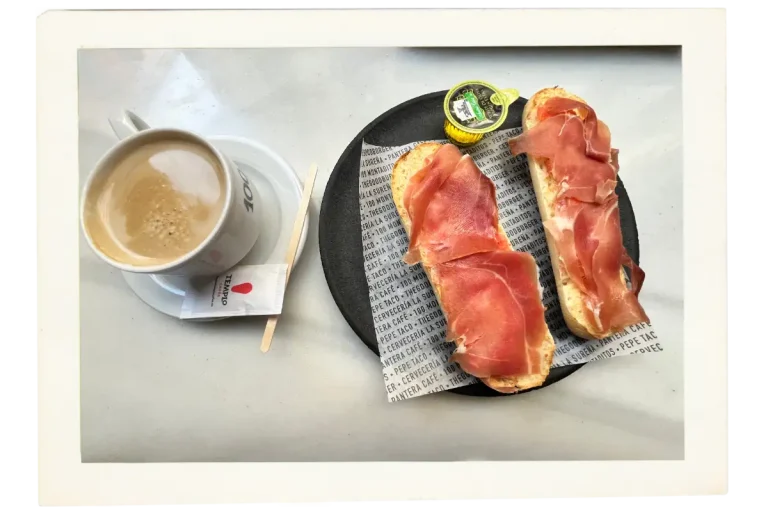
Sobremesa: Why You Never Rush a Meal
In many countries, once the plates are cleared, it's time to pay and leave. In Spain, the waiter isn't rushing to bring the bill.
There's a good reason for this.
Sobremesa is the time spent lingering after a meal: chatting, sipping coffee, having another drink. It's considered just as important as the food itself.
Locals can stay an hour or more after eating, and waiters won't interrupt.
Getting the Bill
Spanish waiters will never bring the bill until you ask for it. They consider it rude to rush you. When you're ready to leave, catch the waiter's eye and say "La cuenta, por favor" (the bill, please). Leaving small change or rounding up is the local approach to tipping in Spain, around 5-10% maximum.
Asking for the bill the moment you finish eating marks you as a tourist, although it's perfectly fine to dash off with so much to see!
If you're not in a rush, then relax, order another drink, enjoy the conversation.
You're in Spain now.
Coffee Culture: The Unwritten Rules
Spanish coffee culture has its own conventions, and getting them wrong is an instant tell.
Coffee Orders
- + Café con leche in the morning
- + Cortado (espresso with a splash of milk) after lunch
- + Café solo (straight espresso) anytime
- + Café con hielo (iced coffee) in summer
- + Standing at the bar for cheaper prices
- - Café con leche after lunch (raises eyebrows)
- - Ordering a "large coffee" (doesn't exist)
- - Asking for cream or flavoured syrups
- - Expecting American-style filter coffee
- - Taking your coffee to go (it's meant to be enjoyed)
The café con leche (coffee with milk) is standard in the morning.
But ordering one after lunch signals you're not from around here. Locals switch to a cortado (espresso with a small splash of milk) or café solo (straight espresso) later in the day.
And forget "large" coffee.
Spanish coffee comes in one size: small. Quality over quantity.
Drinking Culture: What Locals Actually Order
We met my daughter's new boyfriend recently.
Halfway through dinner, he observed, "We do not do this in Spain." He was referring to me, sipping whisky while everyone else had wine.
Would I change my habit? Not a chance. But knowing these conventions helps you blend in when you want to.
Spanish Drinking Customs
- + Una caña (small beer) with tapas
- + Wine with lunch and dinner
- + Tinto de verano instead of sangría
- + Gin & tonic after dinner
- + Sipping slowly (drinking is social)
- + "Agua del grifo" for free tap water
- - Sangria at local bars (tourist drink)
- - Whisky or cocktails with lunch
- - Drinking without food
- - Ordering large beers
- - Drinking to get drunk
- - Expecting free water (you must ask)
The Sangria Secret
Here's what most tourists don't know: locals drink tinto de verano, not sangria.
Tinto de verano is red wine mixed with lemon soda (like Fanta Limón).
It's refreshing, simple, and what Spaniards actually order on hot days. Sangria is made mainly for tourists.
Order a tinto de verano at a terrace bar, and you'll fit right in.
Day Drinking Is Normal
Beer or wine with lunch is completely standard.
You'll see office workers enjoying a caña (small beer) at 2 pm without a second thought.
But there's an important distinction: drinking is social, meant to be enjoyed slowly, and almost always accompanied by food.
Getting visibly drunk, chugging drinks, or being loud? That's tourist behaviour. Spaniards drink regularly but rarely to excess.
Greetings: The Two-Kiss Rule
Spain is a land of cheek kisses (dos besos), and it's something I'm still getting used to after years here.
The rules:
- Women greet everyone (men and women) with two kisses, right cheek first
- Men greet women with two kisses
- Men greet men with a handshake or shoulder pat
If you awkwardly extend a hand when someone leans in for a kiss, you're clearly a visitor. Just go with it: right cheek first, then left.
Local tip
Spaniards have a different sense of personal space. Conversations happen closer than you might expect. Don't back away when someone moves nearer. They're not being intrusive, just Spanish.
Respect the Siesta (Even If Locals Don't Actually Nap)
Yes, the siesta is real, but it's not about napping.
It's a break during the hottest part of the day, especially in summer.
In smaller towns and traditional areas, shops still close between 2 pm and 5 pm.
If you're trying to buy something at 3 pm and wondering why everything's shuttered, you've forgotten the siesta.
How to blend in: Plan around it.
Use siesta hours for a long lunch, a museum visit (they usually stay open), or genuinely take a rest. Pounding on closed shop doors at 3pm is peak tourist behaviour.
In big cities like Madrid and Barcelona, many shops now stay open, but the tradition survives in restaurants (closed between lunch and dinner) and in the general rhythm of the day.
A Few More Local Habits
Walk at Spanish Pace
Spaniards don't rush.
The Mediterranean pace of life is real, especially in southern Spain.
If you're power-walking through crowded streets, you'll stand out. Slow down, stroll, enjoy the paseo (evening walk) that locals take around 7-9 pm.
Learn These Key Phrases
You don't need perfect Spanish, but a few phrases go a long way:
- "Buenos días" (Good morning) / "Buenas tardes" (Good afternoon)
- "Una caña, por favor" (A small beer, please)
- "La cuenta, por favor" (The bill, please)
- "¿Dónde está...?" (Where is...?)
- "Gracias" (Thank you)
- "Perdona" (Excuse me / Sorry)
Even attempting Spanish earns goodwill. Locals appreciate the effort.
Be Careful with Bags
This isn't about blending in. It's practical advice.
Pickpocketing exists in tourist areas of major cities.
Use a crossbody bag worn in front, keep zippers visible, and avoid displaying expensive items. Locals know this instinctively; tourists often learn the hard way.
The Truth About "Fitting In"
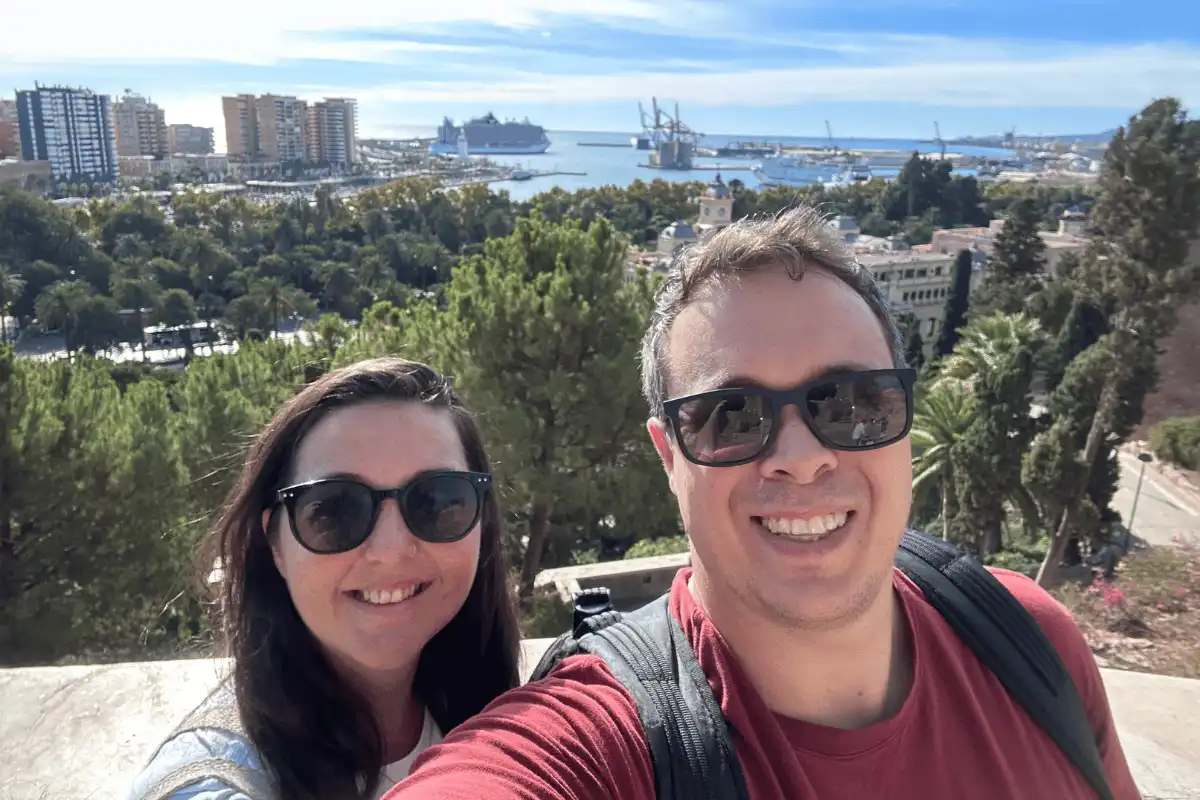
Here's the honest truth: these are guidelines, not rules.
I still drink whisky with dinner while everyone else has wine.
My wife wears flip-flops in town sometimes. It's your holiday.
But getting a few of these things right (eating at Spanish times, ordering coffee correctly, dressing just a bit more intentionally) will help you match the pace of Spanish life. You'll have better experiences, connect more easily with locals, and see a side of the country that rushed tourists miss entirely.
Besides, there's something satisfying about ordering "una caña y unas aceitunas" at a local bar and having the waiter nod rather than reach for an English menu.
¡Buena suerte!
Frequently Asked Questions

Hola! I'm the researcher, walker, and co-founder behind Spain on Foot. I help travellers experience Spain authentically, through in-depth guides, locals-only knowledge, and cultural stories you won't find in guidebooks. You can reach me at heidi@spainonfoot.com